India

 Play sound
Sepoy Mutiny
The British colonization of India was done with the help of the British (English) East India Company, which was created in December 1600 by decree of the English Queen Elizabeth 1. The decree gave the company a monopoly on trade in India. The company received government and military functions.
In the mid-18th century, the company took advantage of the collapse of the Mughal Empire and obtained from the ruler of India, the Padishah, the right to collect taxes, maintain a standing army and exercise jurisdiction in civil matters, and also received a monopoly on trade in essential goods. In 1803, the Company's troops captured the capital, Delhi, and since then power belonged entirely to the British, and the elderly padishah received only an annual allowance, unable to really manage anything. The company was able to create a system of "vassal principalities" in India and turned the country into a stable source of income from which untold wealth came. During the two centuries of British rule in India, the metropolis became richer and the colony became poorer.
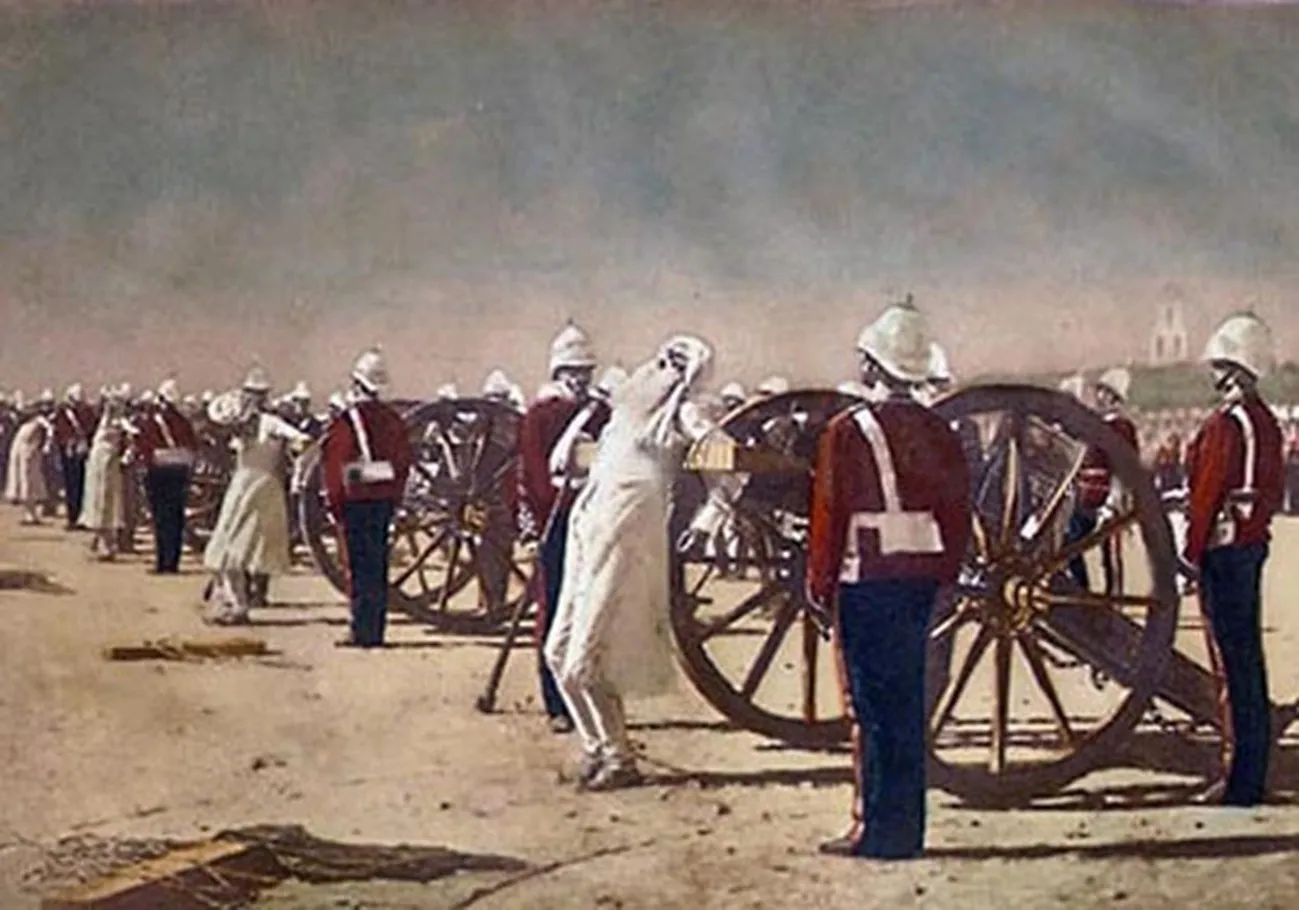
Uprisings broke out periodically, the largest in 1857 was the uprising of the sepoys - Indian soldiers of the colonial troops. At the first stage, the uprising was successful, but then, due to the lack of unity of command and a strategic plan of action, it was suppressed. The uprising was suppressed using the most brutal methods, which caused international condemnation. As a result, the administration of India was transferred from the East India Company to the "India office" of the English government, and in India itself a viceroy appointed by the queen began to manage affairs. The East India Company was liquidated, and all Indians became subjects of the Queen of England.
In 1885, the Indian National Congress (INC) was created. It was created by representatives of the national intelligentsia with the participation of a retired British official, the famous ornithologist Allan Octavian Hume. The first political party in India arose, the initial goal of which was to create conditions for greater participation of Indians in the government of the country and its development, but within the framework of the British Empire. By the beginning of the 20th century, it became clear that reforms were not included in the plans of the metropolis, nor was the provision of greater rights in governing the country.
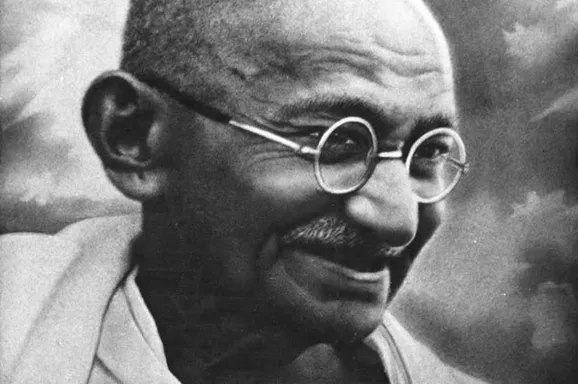
In 1915, Mahatma Gandhi (Mohandas Gandhi, Mahatma is his popular name, translated from Sanskrit as "great soul") arrives in India. With his arrival, the activities of the INK take on a new meaning.