1978 –
present
PRC

Modern China
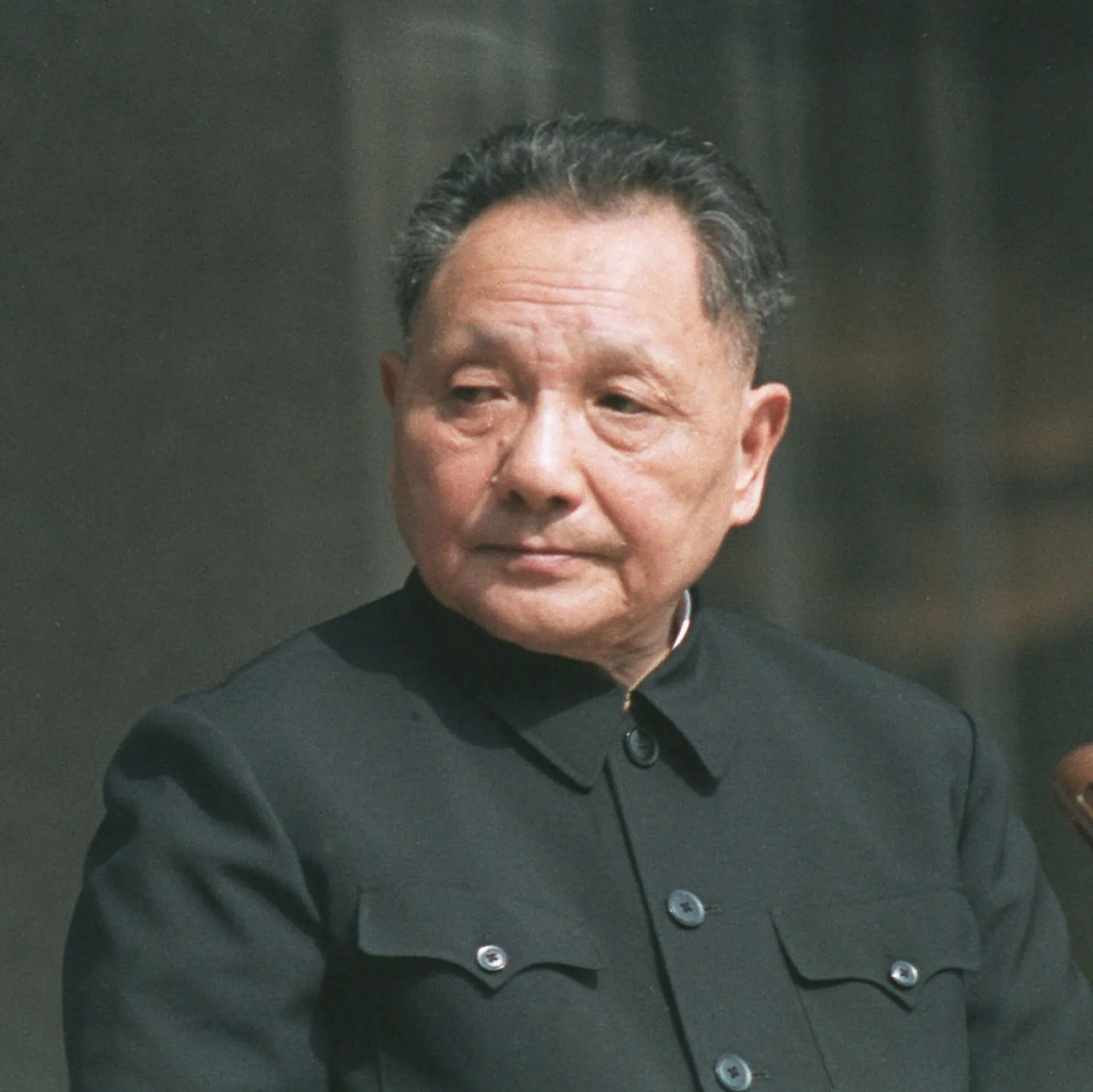
China's transition to modernity represents one of the most significant economic and social experiments in the history of humankind. The starting point of these transformations was the session of the Third Plenum of the 11th Central Committee of the CPC, held on December 18, 1978. It was then that the decision was made to abandon the doctrine of continuous class struggle and to concentrate on economic modernization. Deng Xiaoping proposed the concept of "socialism with Chinese characteristics," which made it possible to combine a planned economy with market mechanisms. Special economic zones were created, such as Shenzhen, where foreign investment and private entrepreneurship were encouraged with preferential conditions.
This step became the foundation for the subsequent explosive growth of productivity and the integration of China into the world trading system.
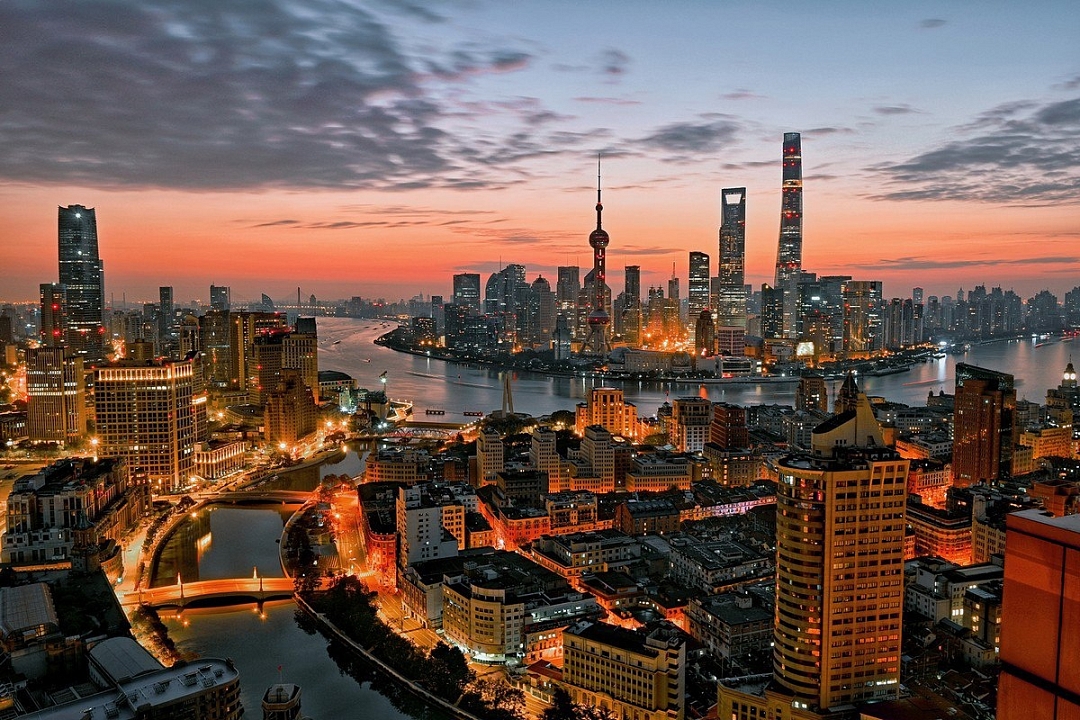
Over the following decades, China demonstrated unprecedented rates of GDP growth, often exceeding 10 percent per year. The most important stage was the country's accession to the World Trade Organization on December 11, 2001, which opened up access for Chinese goods to global markets and turned the state into the "world's factory." Large-scale urbanization and the development of infrastructure made it possible to raise the standard of living of hundreds of millions of citizens. According to official data, during the reform period more than 800 million people were lifted out of poverty, which constitutes the largest case of poverty reduction in history. The economy was transformed from the export of cheap goods to the production of high-tech products, which became especially noticeable in the 2010s.
The attitude toward socialism in China underwent significant evolution while remaining the ideological core of the state. The Communist Party of China retains a monopoly on power, interpreting Marxism through the prism of national interests and practical expediency. If in the Deng era the slogan was "to get rich as a part," in the modern era of Xi Jinping the emphasis has shifted to "common prosperity." This implies the struggle against inequality, the strengthening of state regulation in key sectors, and the increase of the social responsibility of business. Socialism with Chinese characteristics in the new era is considered not as a rejection of market instruments, but as their use for strengthening national power and ensuring the stability of society under the leadership of the party.
At present, China holds leading positions in a number of critically important categories of the global economy and technology. The country is the unconditional world leader in the volumes of industrial production and the export of goods. China dominates the sphere of renewable energy, producing most of the world's solar panels and wind generators, and also leads in the introduction of electric vehicles and the infrastructure for them. In the field of telecommunications, Chinese companies set the standards for fifth-generation 5G communications. The country's transport system includes the world's longest network of high-speed railways, exceeding 45 thousand kilometers. In addition, China is successfully implementing a space program, having completed the construction of its own orbital station in 2022 and carrying out missions to the Moon and Mars.
The current stage of development is characterized by a strategy of technological self-sufficiency and the Belt and Road Initiative, announced in September 2013. This project is aimed at creating a global network of trade and infrastructure links, strengthening Beijing's geopolitical influence. Despite the slowdown of the pace of economic growth and demographic challenges, China continues to invest in artificial intelligence, quantum computing, and biotechnology. The path from an agrarian country to a technological superpower took only a few decades, which demonstrates the effectiveness of the chosen model of governance. Today China positions itself not merely as a participant in the global market, but as an architect of a new world order, where socialist values are combined with advanced technologies and economic might.