PRC

 Play sound
Kuomintang
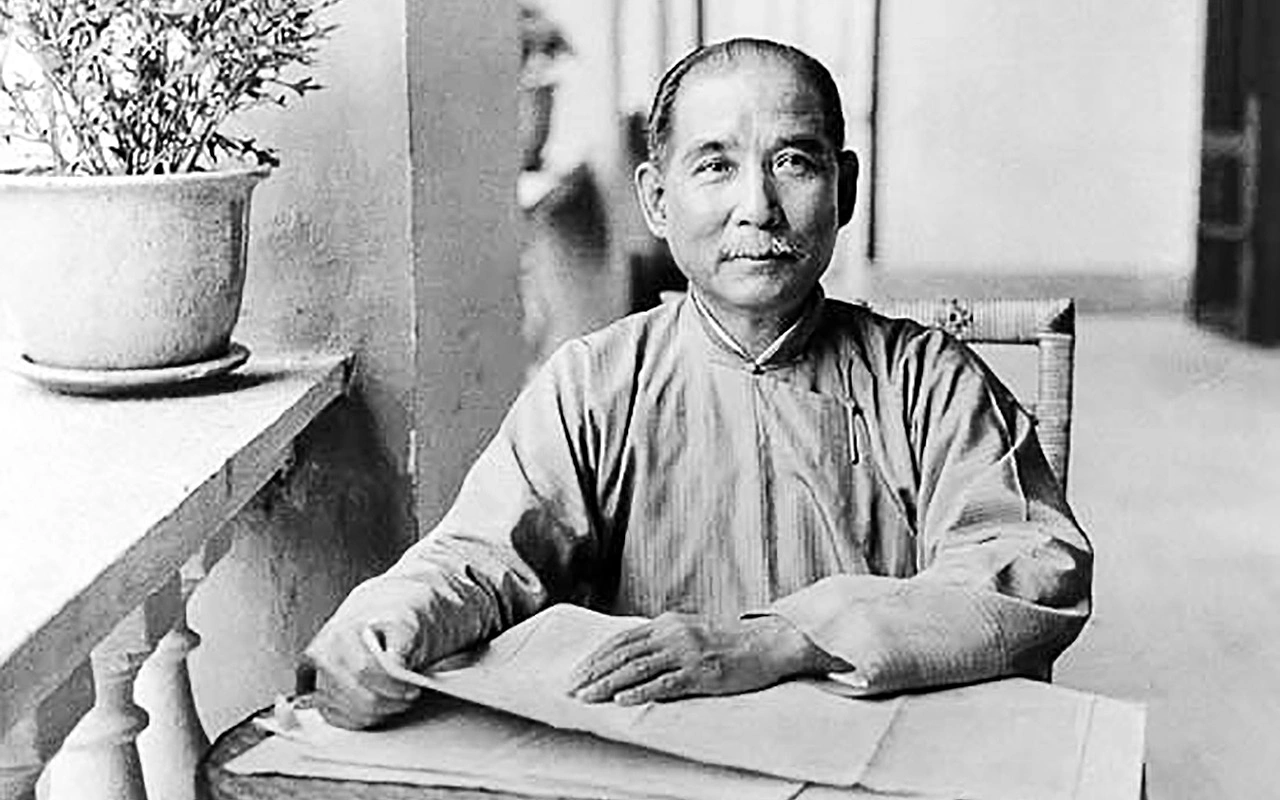
The Kuomintang, which translates as the National People's Party, is one of the most significant political organizations in the history of China and modern-day Taiwan. The party's origins trace back to the revolutionary movements of the late 19th century, led by Sun Yat-sen, who sought to overthrow the Manchu Qing dynasty and modernize the country. The party was officially established in 1912 following the success of the Xinhai Revolution, which led to the creation of the Republic of China; however, it acquired its final organizational structure in 1919, and in 1924 it was reorganized with the active assistance of the Soviet Union. The ideological core of the Kuomintang became Sun Yat-sen's Three Principles of the People: nationalism, implying the independence and unity of China; democracy, presupposing republican governance; and people's welfare, aimed at social justice and economic development. These ideas served as guidance for the party throughout its entire existence.
In the early years after the revolution, the Kuomintang faced serious internal challenges, including the usurpation of power by General Yuan Shikai and the subsequent period of fragmentation known as the era of warlords, when central authority weakened and the country was divided among regional military commanders. To overcome this fragmentation, the First United Front with the Chinese Communist Party was formed in the 1920s. With support from the USSR, the Whampoa Military Academy was established, which trained officer cadres for the National Revolutionary Army. This cooperation made it possible to launch the Northern Expedition in 1926, during which Kuomintang forces defeated the main warlords and formally unified the country under the national government in Nanjing. However, in 1927, the alliance collapsed when the party's leader, Chiang Kai-shek, initiated purges against the communists, marking the beginning of a protracted civil war.
The period from 1927 to 1937 went down in history as the Nanjing Decade, a time of relative stability and attempts at state-building under Kuomintang control. However, this process was interrupted by the Japanese invasion in 1937. During the Second Sino-Japanese War, the Kuomintang served as the main force of resistance against the aggressor, suffering heavy losses and retreating deep into the country. After Japan's surrender in 1945, the confrontation with the communists resumed. Despite support from the United States and a formal superiority in numbers and armaments, the Kuomintang lost the civil war by 1949. The causes of defeat included rampant corruption, economic crisis, loss of peasant support, and the effective strategy of the opponent. The party's government was forced to evacuate to the island of Taiwan, where it continued to function as the government of the Republic of China.
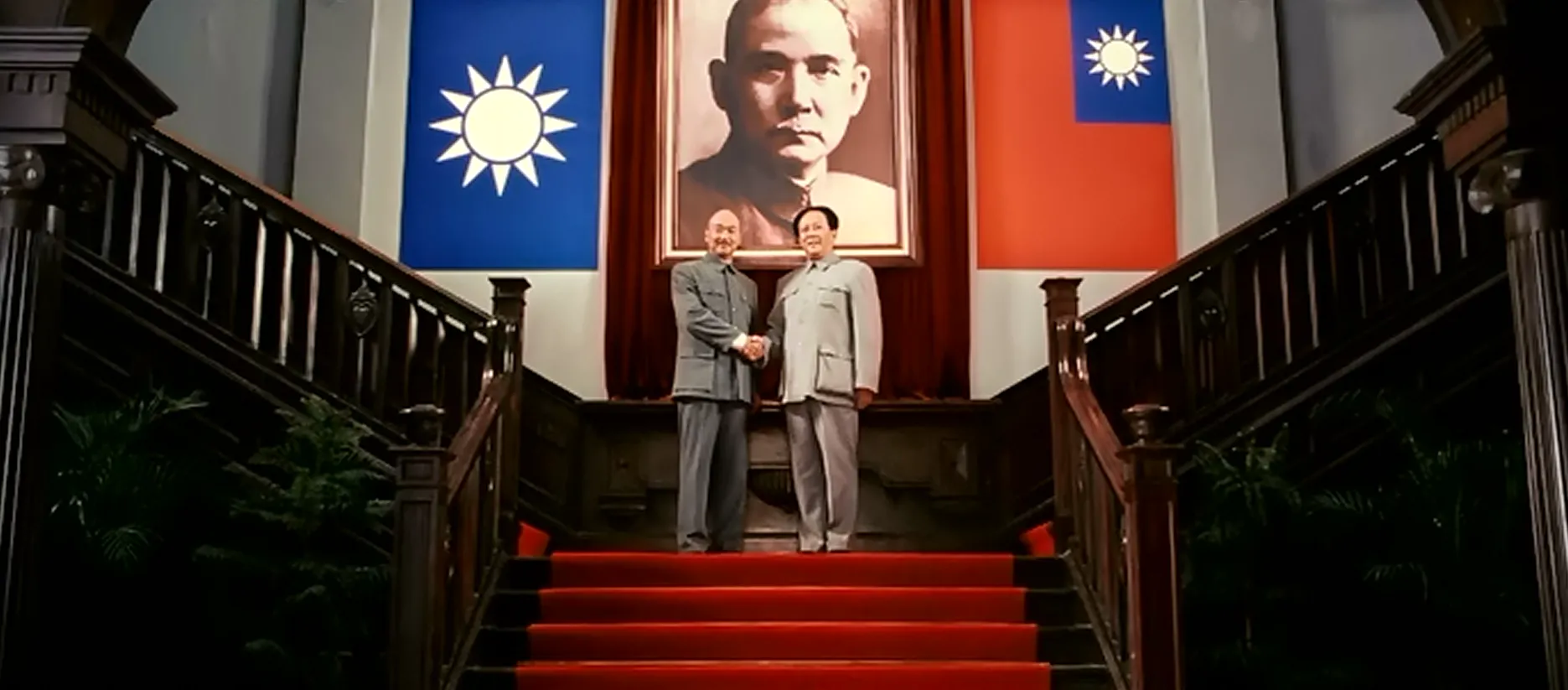
On Taiwan, the Kuomintang established a one-party system and imposed martial law, which remained in effect until 1987. Under the leadership of Chiang Kai-shek and subsequently his son Chiang Ching-kuo, the party ensured the economic growth of the island, contributing to Taiwan's transformation into one of the Asian Tigers. After the death of Chiang Ching-kuo and the lifting of martial law, the democratization of the political system began. The Kuomintang legalized the opposition and gradually transformed from an authoritarian ruling force into one of the key parties within a multi-party democracy. Currently, the Kuomintang remains one of the two main political forces in Taiwan alongside the Democratic Progressive Party. The party traditionally advocates for maintaining the status quo in relations with mainland China and often criticizes the radical course toward full independence of the island, preferring dialogue and economic cooperation.
The historical significance of the Kuomintang can hardly be overstated, as the party played a key role in ending the imperial period, creating the first Chinese republic, resisting Japanese aggression, and the economic development of Taiwan. Although its influence on mainland China ended in 1949, the legacy of Sun Yat-sen and the party's ideas continue to be studied and revered both in the People's Republic of China, where he is respected as a revolutionary predecessor, and in Taiwan, where he is considered the father of the nation. The activities of the Kuomintang reflect the complex path of the Chinese nation through revolutions, wars, and modernization in the 20th century. Today, the party continues to participate in elections, shaping Taiwan's domestic and foreign policy and influencing the geopolitical situation in the East Asian region. Its evolution from a revolutionary organization to a modern democratic party demonstrates the ability to adapt to changing political landscapes and maintain influence in conditions of intense competition.