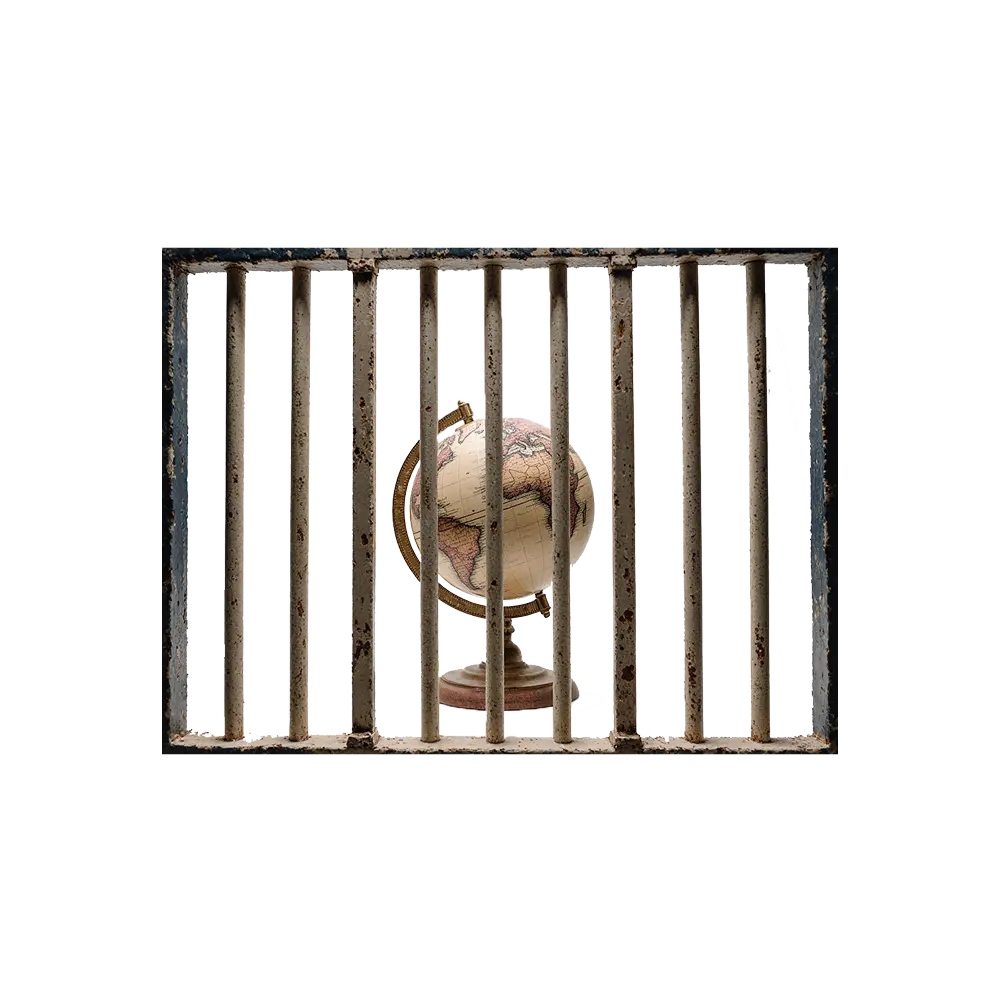

Iron Curtain in the USSR, you can't go abroad
The term “Iron Curtain” did not originate in the USSR. At first, in the 1920s, this was the name given to the ban of Western countries on trade with Soviet Russia. Later, on March 5, 1946, Winston Churchill used this expression in his speech in Fulton, denoting the political, information and border barrier between the USSR and Western countries. It was possible to leave the USSR. During the NEP years, almost any citizen could obtain a foreign passport. Until 1959, the rules remained relatively soft, and then they were even simplified - for example, a visa was no longer needed to travel to socialist countries. Serious restrictions were only introduced in 1970 due to the Cold War, but even then millions of people traveled abroad. In 1990, about 9 million people went abroad for tourism, work and private purposes, and only 37% of them went to capitalist countries.
Within the USSR, citizens had paid leave and could travel for free or very cheap throughout the vast country. Traveling abroad required money, time and bureaucracy. Today, despite open borders, many CIS residents still do not have a passport and have never been abroad.
No comments yet. Be the first.