
One rifle for three
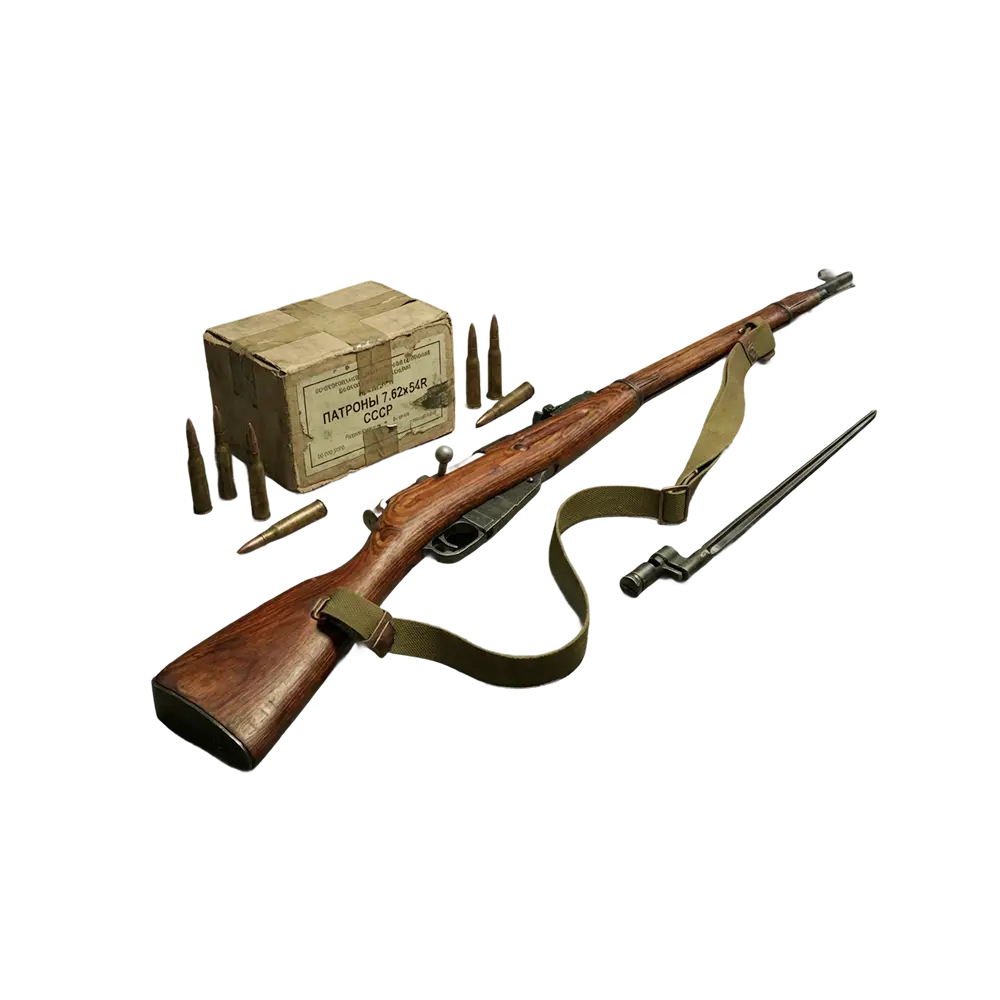
The statement that the principle of “one rifle for three” was widely practiced in the Red Army during the Great Patriotic War is not supported by historical documents and is a gross exaggeration. At the beginning of the war, there were indeed serious problems with the supply of weapons and equipment due to the rapid advance of the enemy, especially for some units and formations.
However, already during the war, Soviet industry sharply increased the production of weapons, and the country's leadership and military command carried out a large-scale mobilization of resources. The deficit gradually decreased. A striking example is the Leningrad People's Militia in the fall of 1941: six divisions of the 33rd Army had even more rifles (34,721 instead of the required 28,952) and heavy machine guns (714 instead of 612) than required by the state. The shortage was observed mainly in automatic rifles, light machine guns, submachine guns and anti-aircraft weapons, but this did not create an overall picture of a total lack of weapons.
Thus, there were isolated cases of shortage of weapons at the beginning of the war, but the myth of “one rifle for three” greatly distorts the real state of affairs with the supply of Soviet troops.
No comments yet. Be the first.