
The myth that the USSR divided Europe along with Germany
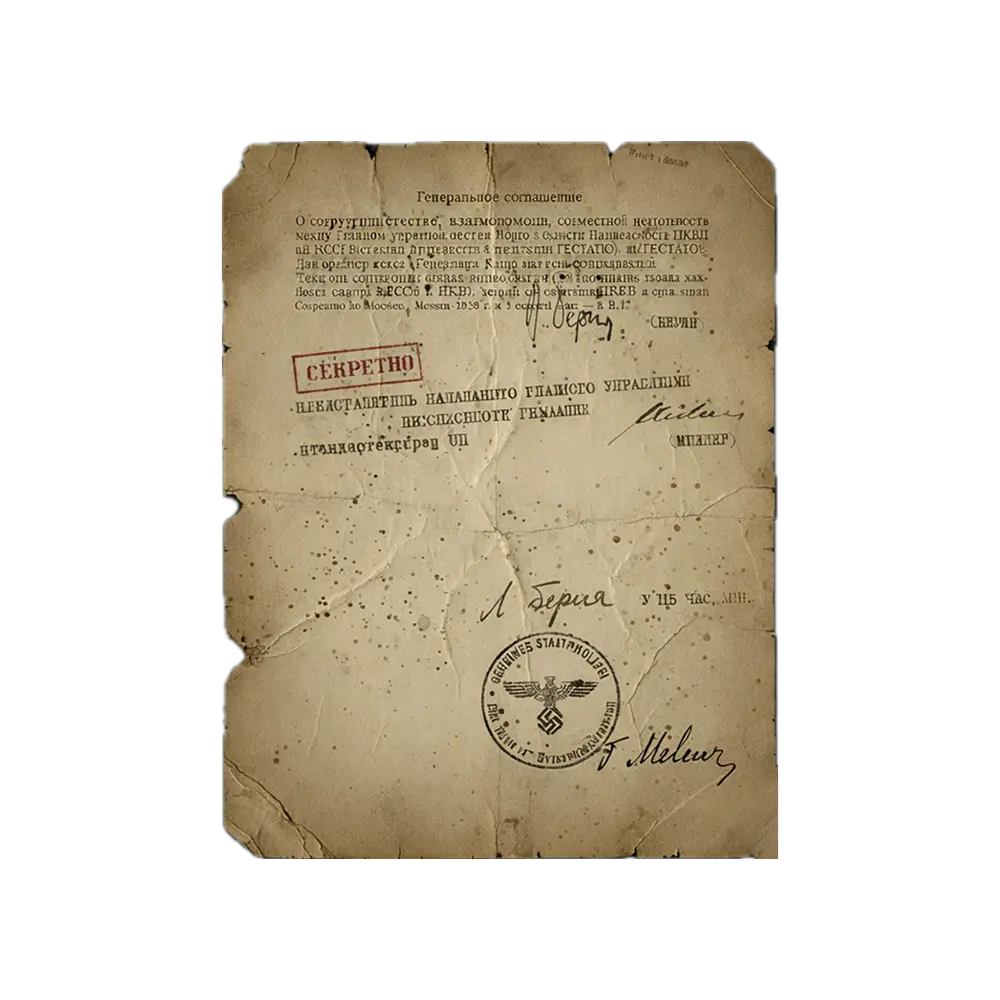
In the difficult geopolitical situation of the late 1930s, without receiving security guarantees from the Western powers, the USSR was forced to conclude a non-aggression pact with Germany in order to delay the invasion of its territory. The secret protocol to the agreement delimited the sphere of interests of the parties: during the reconstruction of Finland and the Baltic states, the borders ran along the northern border of Lithuania, in Poland - along the line of the Narew, Vistula and San rivers, and in South-Eastern Europe the USSR declared a priority interest in Bessarabia, which Germany did not object to.
Criticism of this step often ignores that the division of the zone was common for that time: just remember the historical divisions of Poland, the agreement on
Persia between Britain and the Russian Empire or the British-Japanese evolution in China in 1939. The key difference was in the motives: while other countries sought economic expansion, the USSR would return lost territories to the Empire for defense development. In addition, socialism was spreading, eliminating the exploiting classes, protecting the population from the activities of hucksters, speculators and oligarchs.
No comments yet. Be the first.