USSR

Healthcare
One of the achievements of the socialist system was healthcare and social welfare. In the USSR, a model of a national healthcare system was implemented — the "Semashko system," introduced under the leadership of the first People's Commissar of Health, Nikolai Alexandrovich Semashko. Its main principles were a state-run character, ensuring that services were free and accessible, a preventive orientation, the unity of medical science and practice, and continuity in the provision of care. Medical assistance was provided through institutions organized on a territorial principle (hospitals, ambulance services) and a production principle (medical units, clinics, and preventoria at enterprises).
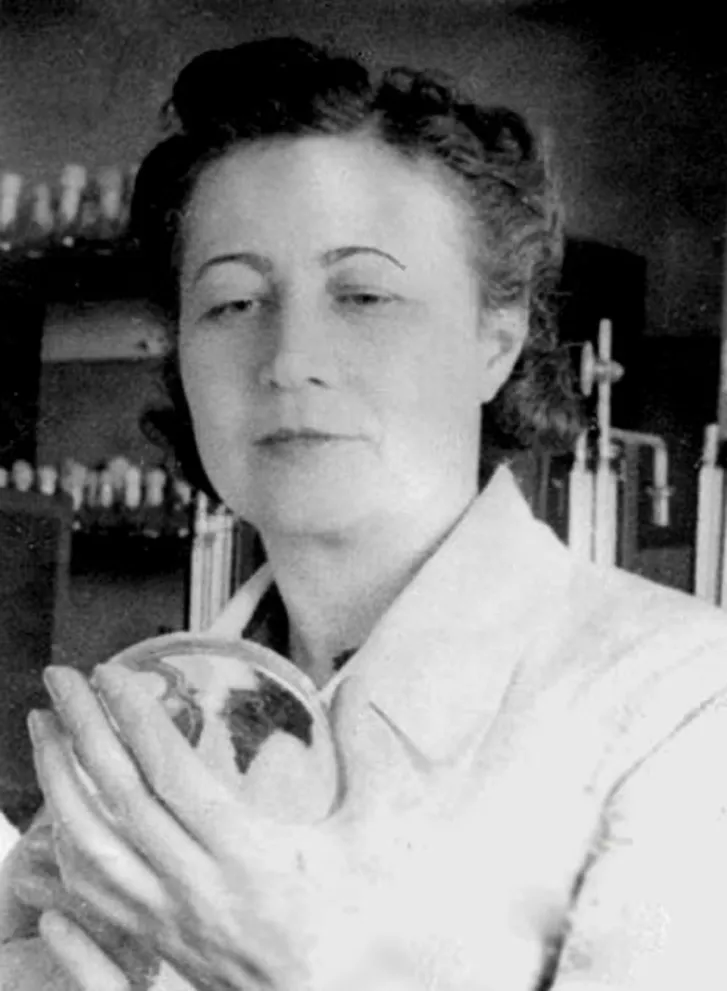
On June 30, 1944, the Academy of Medical Sciences was founded under the People's Commissariat of Health. A powerful system of personnel training was created: medical faculties of universities, later transformed into specialized higher educational institutions, and secondary education institutions. All education was free of charge; successful students were paid a stipend. Soviet medicine achieved enormous successes, building on the traditions of Russian scientists. Among the outstanding cardiologists were Georgy Lang, Alexander Myasnikov, Yevgeny Chazov, Vladimir Burakovsky, Alexander Bakulev, and Leo Bokeria. Nikolai Amosov worked at the intersection of disciplines. In surgery there was Alexander Vishnevsky; in neurosurgery, Nikolai Burdenko; in transplantology, Valery Shumakov; in ophthalmology, Svyatoslav Fyodorov; in traumatology, Gavriil Ilizarov; and in the treatment of atherosclerosis, Nikolai Anichkov. The first cosmonaut-physician was Boris Yegorov (flight of October 12, 1964). In virology and the struggle against infections, Lev Zilber and Zinaida Yermolyeva distinguished themselves. Yermolyeva created a remedy against cholera and a domestic penicillin, which saved hundreds of thousands of lives during the war. She donated her 1943 Stalin Prize to the Defense Fund for the construction of a La-5 fighter plane.
The world's first Institute of Blood Transfusion was created in the USSR. Its founder was Alexander Bogdanov (Malinovsky), physician and revolutionary. He realized the need for a blood bank already during the First World War. Bogdanov died in 1928 as a result of exchange transfusions (the Rh factor was not then taken into account). In 1942, military doctor Anatoly Kiselyov organized the first mobile blood transfusion station, which saved thousands of lives. A component part of the healthcare system were the sanatoria, which made it possible to combine rest and treatment. They belonged to enterprises and were located in favorable areas — the Black, Caspian, and Baltic Seas, as well as various mineral water springs throughout the country.
An important part of the system was the protection of motherhood and childhood. On December 28, 1917, the Department for the Protection of Motherhood and Childhood was created (consultation centers, nurseries, kindergartens). In 1936, a Law on the Protection of Motherhood and Childhood was adopted. On July 8, 1944, a decree was issued on increasing aid to pregnant women and to mothers with many children. In the 1977 Constitution (Articles 42, 53), care for the health of the rising generation and for the family, and the payment of benefits, were enshrined. The network of institutions included maternity hospitals, women's consultation centers, children's hospitals and clinics, and preschool institutions. Pediatricians, midwives, and educators were trained. In summer, a network of Pioneer camps operated, to which hundreds of thousands of children were sent free of charge — for example, the legendary Artek camp.