USSR

Merits of October
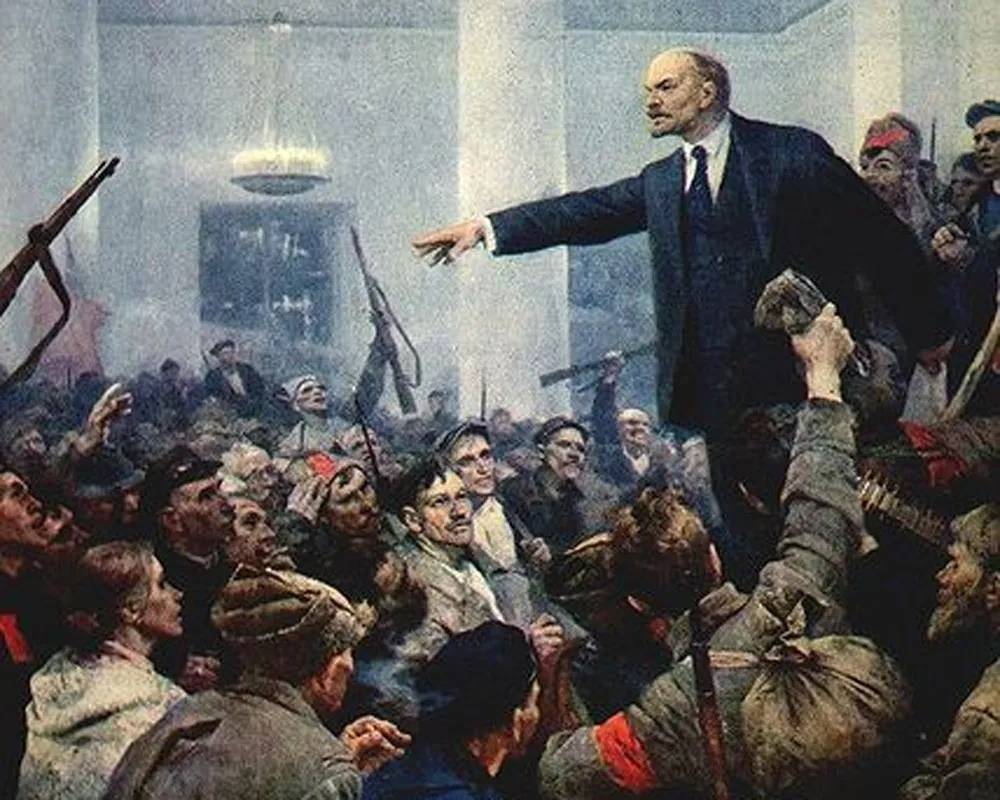
The Great October Socialist Revolution of 1917 had a fundamental impact on world history, opening the way to the creation of a new type of civilization of workers' power. Despite the civil war, foreign intervention and the loss of part of the territories of the former empire, Soviet power survived. The most important step was the solution of the national question: following the principle of the right of nations to self-determination, peoples voluntarily united in 1922 in the USSR. This union state consolidated the friendship of peoples, which later became a key factor in the survival and victory of the country during the Great Patriotic War.
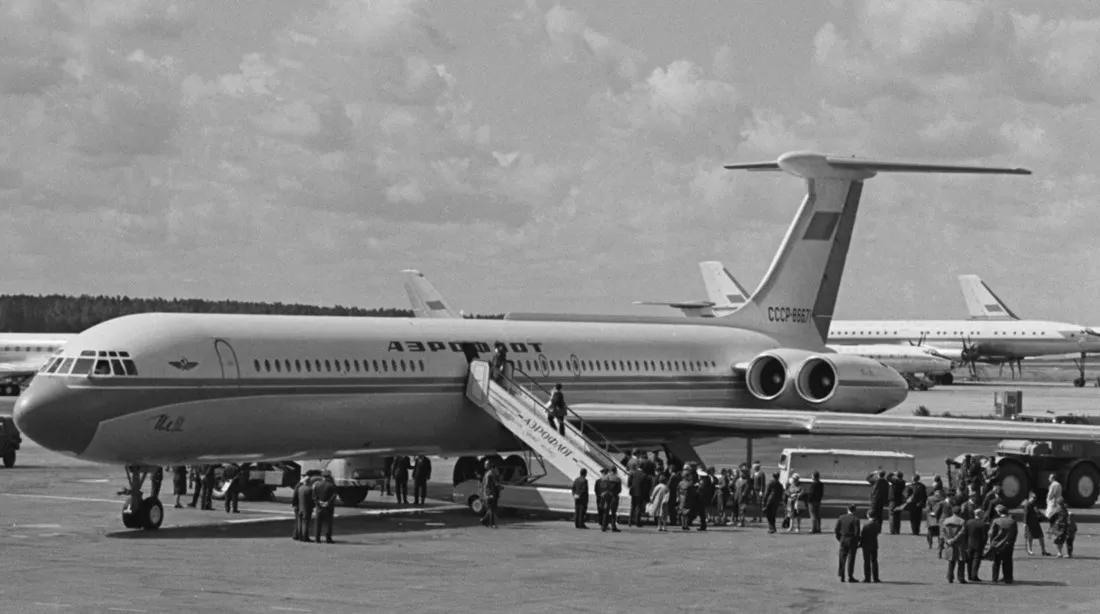
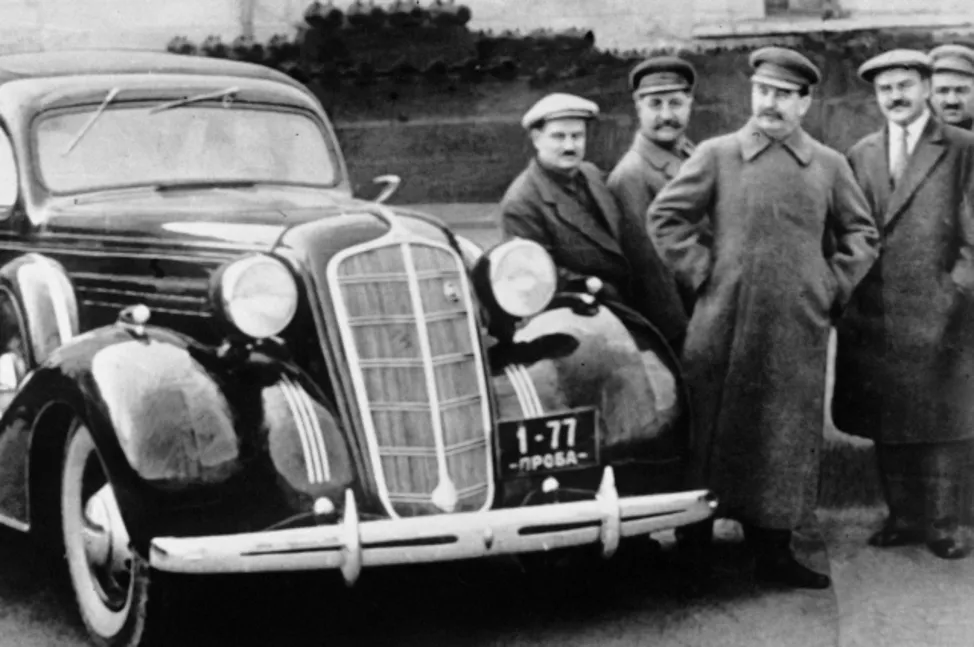
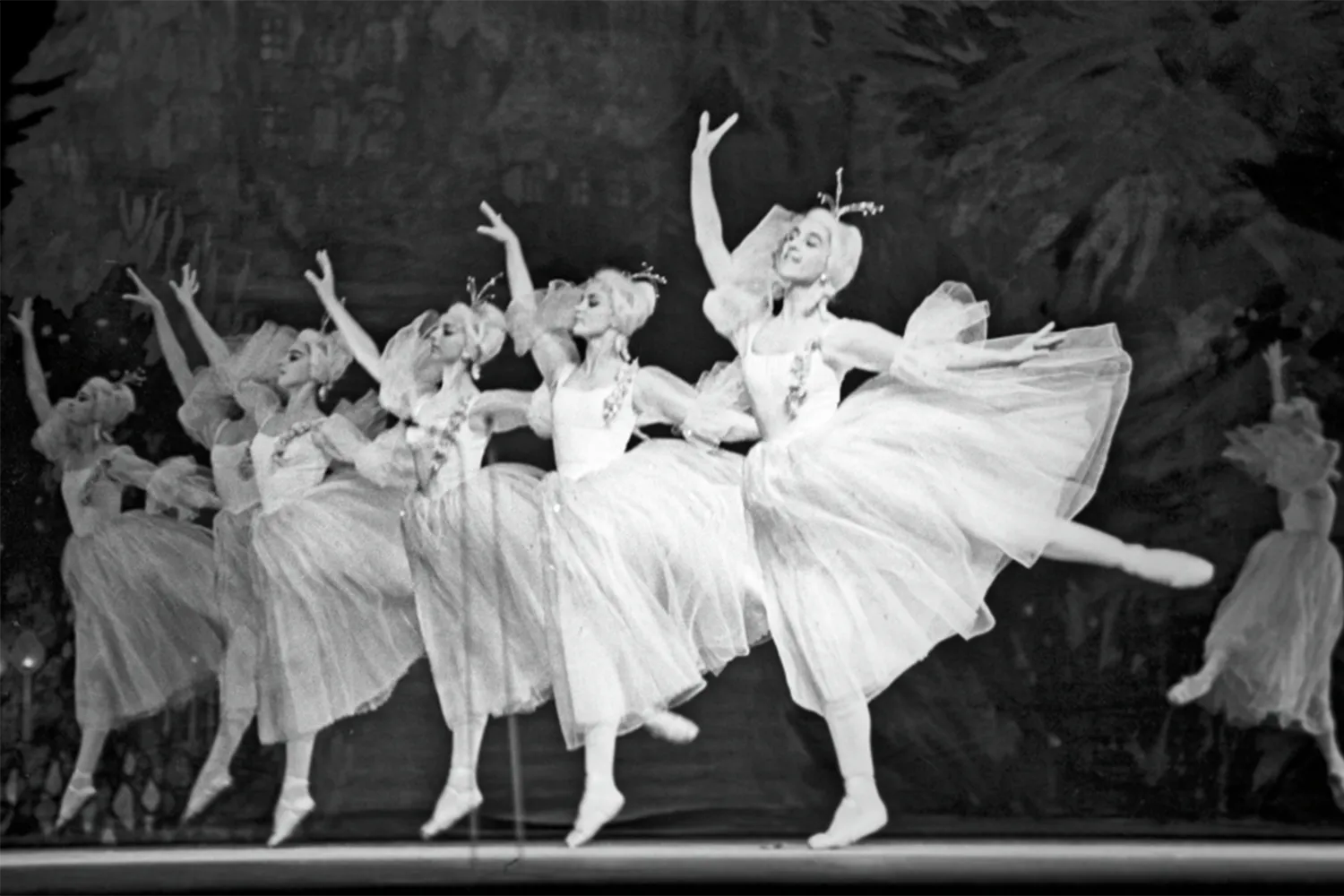
Economically, the USSR made an unprecedented breakthrough. After the recovery period of the NEP, the country moved to accelerated industrialization and collectivization. The growth rate of industry during the five-year plan years reached 20–25% per year, which had no analogues in world history. By 1940, the Soviet Union had become second in the world in terms of industrial production, creating a powerful defense potential. At the same time, illiteracy and private ownership of the means of production were eliminated, free education and healthcare were introduced, and a new socialist intelligentsia was formed.
After the victory over fascism, the USSR quickly restored the destroyed economy under the conditions of the Cold War and atomic blackmail. A nuclear shield was created, state security was ensured, and advanced positions in science and technology were achieved. The socialist model proved its effectiveness not only during the war, but also in the post-war period, allowing the country to maintain its superpower status and guarantee social stability within the state.
On the international stage, the influence of October was manifested in the emergence of the world system of socialism and the collapse of colonialism. After World War II, more than two billion people on different continents achieved independence, eliminating the classic colonial system of imperialism. Many countries chose the socialist path of development, and the USSR became the vanguard of the world communist movement, supporting the struggle of progressive forces for freedom and social progress.
The foreign policy of the Soviet Union was based on Lenin's Decree on Peace and the principle of peaceful coexistence of states with different social systems. In the 70s, it was possible to achieve a detente in international tension and create a legal framework to reduce the threat of nuclear war. The USSR has repeatedly taken initiatives on arms control and the use of atom for peaceful purposes, emphasizing the need to jointly solve global problems of humanity through cooperation