USSR

Soviet atom
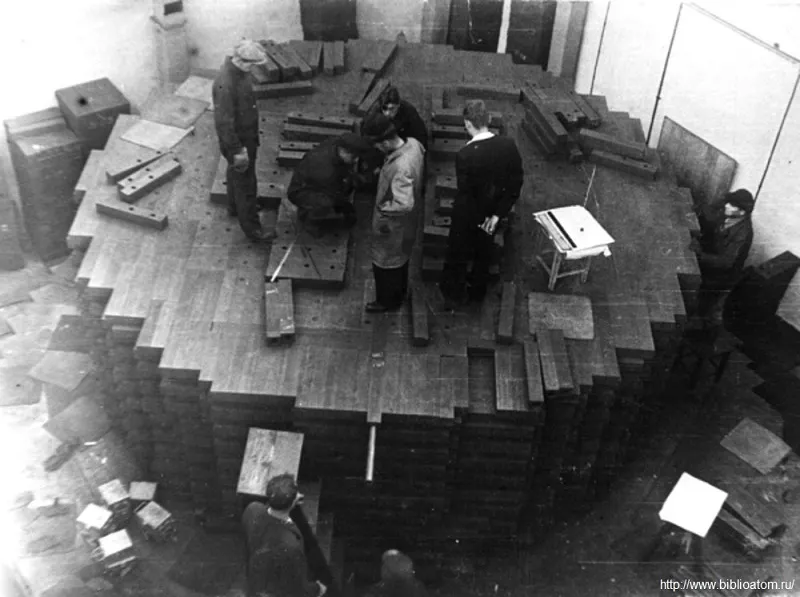
In 1945, the United States created the atomic bomb and immediately used it against Japan. The USSR had to solve the task of ensuring its security under the new postwar conditions in the shortest possible time. The scientific director of the atomic project in the USSR was the outstanding scholar and organizer of science Igor Vasilyevich Kurchatov. At the end of 1941 and in 1942, information began to arrive from Soviet intelligence that work on the creation of a new weapon of colossal destructive force was being conducted in the United States and in Germany. This marked the official start of the atomic project in the USSR. On December 25, 1946, the first Soviet atomic reactor was launched. In 1948, the first industrial reactor began operating, which was to produce weapons-grade plutonium for the bomb. By the summer of 1949, work on the creation of the first Soviet atomic bomb was completed, and on August 29, 1949, successful tests were conducted at the test site. The first bomb was called RDS, which Kurchatov himself decoded as "Russia does it itself." The very effective work of Soviet foreign intelligence also contributed to the project's rapid success. In August 1953, the Soviet Union tested the world's first hydrogen bomb, in the creation of which, together with Kurchatov, the scientists Mstislav Vsevolodovich Keldysh, Yuli Borisovich Khariton, Yakov Borisovich Zeldovich, and Andrei Dmitrievich Sakharov took part. Kurchatov, while solving the problems of the country's defense, was actively engaged in work on the peaceful use of atomic energy. In 1954, the world's first industrial nuclear power plant was launched in Obninsk, and in 1959 the reactor of the world's first atomic icebreaker, "Lenin," began operation. In 1956, Kurchatov, as part of a Soviet delegation headed by the country's leader N. S. Khrushchev, visited Great Britain, where he spoke about the necessity of international cooperation in the use of atomic energy and the limitation of nuclear armaments.