1986 –
present
Vietnam

Đổi Mới
The Vietnamese model of economic development, known as the socialist-oriented market economy, represents a unique example of the transformation of a post-socialist state.
After the end of the war in 1975 and the formal unification of the country in 1976, Vietnam faced serious difficulties. Centralized planning could not cope with the restoration of the destroyed infrastructure, and international isolation aggravated the crisis. By the mid-1980s, inflation had reached catastrophic proportions and the population was experiencing a severe shortage of food. The turning point was the 6th National Congress of the Communist Party of Vietnam, held on December 15, 1986. It was then that the start of the renewal policy, known as "Đổi Mới," was officially proclaimed. The country's leadership acknowledged the mistakes of the past and set a course for introducing market mechanisms while preserving the leading role of the state. This did not mean abandoning socialism, but it did imply flexibility in economic methods. Private property was legalized; however, the key sectors of the economy remained under state control. The reforms affected every sphere of life. In agriculture, land remained state-owned, but peasants received long-term rights to use plots. This stimulated the production of rice and other crops. Prices on most goods were freed, allowing the market to regulate supply and demand. State-owned enterprises were granted greater autonomy and were expected to operate on a self-financing basis.
These measures quickly produced results, and already in the late 1980s Vietnam ceased to import rice and became one of the world's largest exporters. Integration into the world economy was an important stage. On July 28, 1995, Vietnam joined the Association of Southeast Asian Nations, which opened up new markets. Normalization of relations with the United States of America took place in the same year, and on January 11, 2007, the country became a full-fledged member of the World Trade Organization. The inflow of foreign investment contributed to the development of industry and the creation of jobs. The economy grew at a high pace, turning Vietnam into one of the region's leaders. Despite these successes, the model has its problems. Social inequality is rising, and corruption remains a serious challenge for the authorities. Environmental standards are sometimes sacrificed to rapid industrial growth. Nevertheless, the standard of living of the majority of citizens has improved significantly. Poverty fell from over 50% in the early 1990s to less than 5% by the early 2020s (according to international organizations). The state continues to invest in education and healthcare, seeking to balance market efficiency with social guarantees.
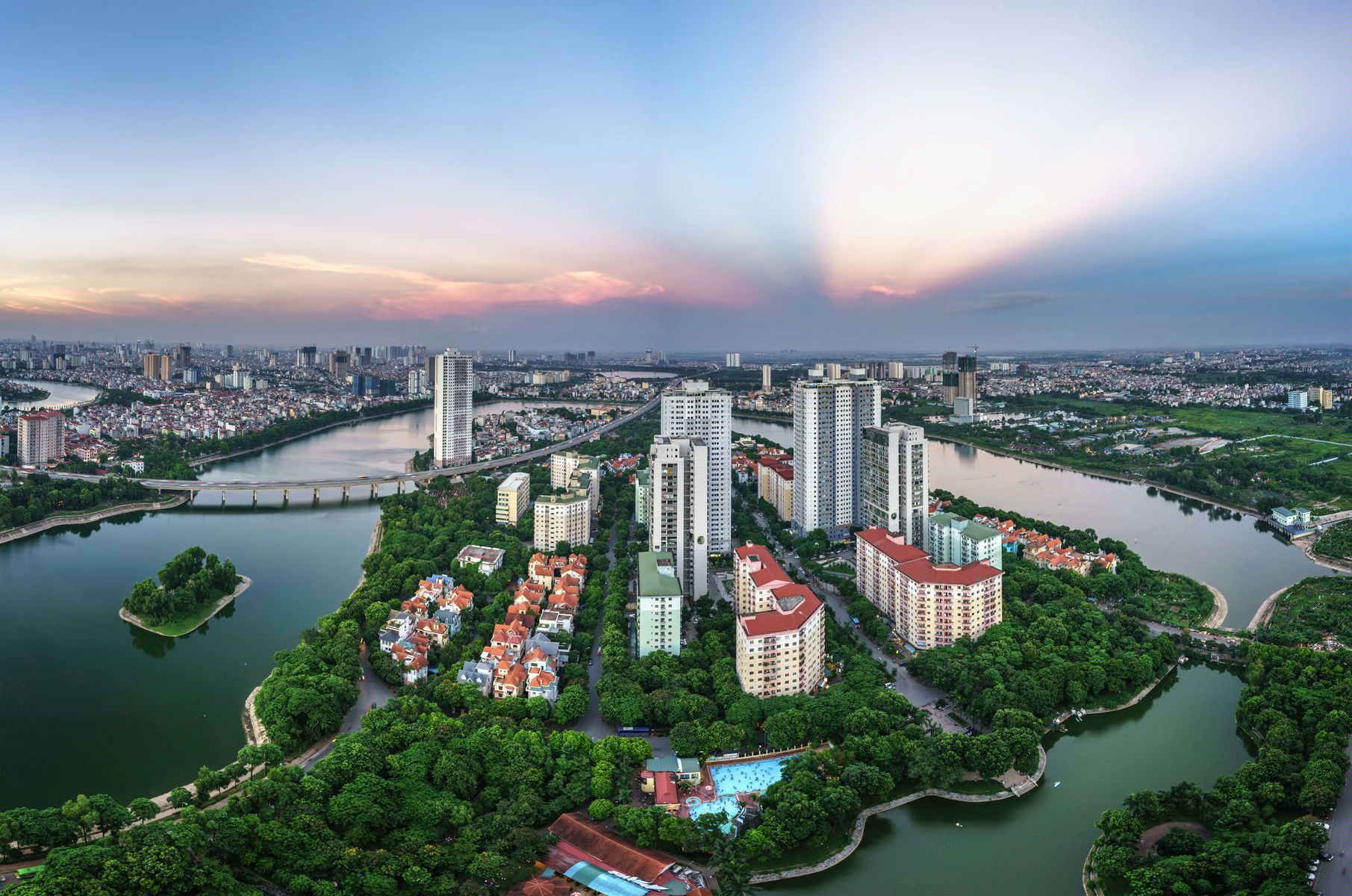
Modern Vietnam defines its economy as a market economy with a socialist orientation. This means that the market plays a decisive role in resource allocation, but the state regulates the process to ensure social justice. The Communist Party retains a monopoly on political power, guiding economic development in line with strategic plans. This approach has made it possible to avoid the chaos that accompanied some other transition periods in history. Vietnam's experience shows that combining planned and market elements is possible with competent management. Key factors of success have been the gradualness of reforms and the pragmatism of the leadership. Instead of shock therapy, a phased transition was used, which made it possible to adapt society to the new conditions. Today Vietnam continues to modernize its economy, betting on high technology and digitalization. The "Đổi Mới" model remains the foundation of the country's development for decades to come.