1954 –
2013
Venezuela

Hugo Chávez
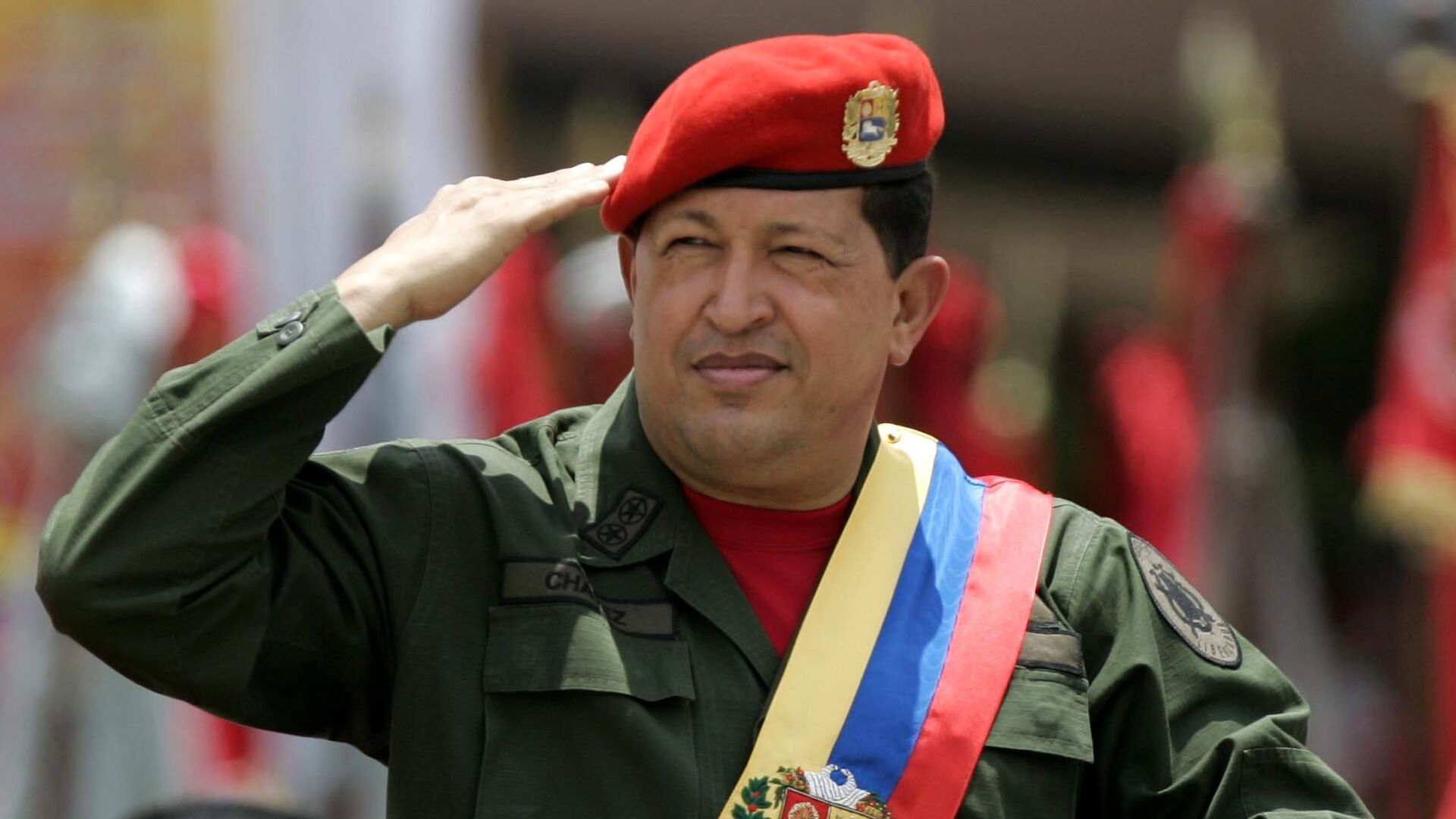
Hugo Rafael Chavez Frias is one of the most significant figures in the political history of Latin America in the late 20th and early 21st centuries. He was born in 1954 into a family of teachers in the state of Barinas, Venezuela. Chavez held the office of President of Venezuela from 1999 to 2013, transforming during this time from a little-known lieutenant colonel into the leader of a global anti-imperialist movement. His rule radically changed the political landscape not only of Venezuela but of the entire region, marking the beginning of the so-called pink tide of left-wing governments.
Chavez's path to power began with a military career. In 1992 he led an unsuccessful attempt at a military coup against President Carlos Andres Perez, who was accused of corruption and violating the constitution. Although the putsch failed, Chavez's short televised speech, in which he acknowledged responsibility, stating that "the objectives have not been achieved for now," made him a folk hero in the eyes of the poorer segments of the population. After his release from prison, he founded the Fifth Republic Movement. In 1998 Chavez ran in the presidential elections and won a convincing victory, gaining the support of those who were disillusioned with traditional parties and suffering from the economic crisis.
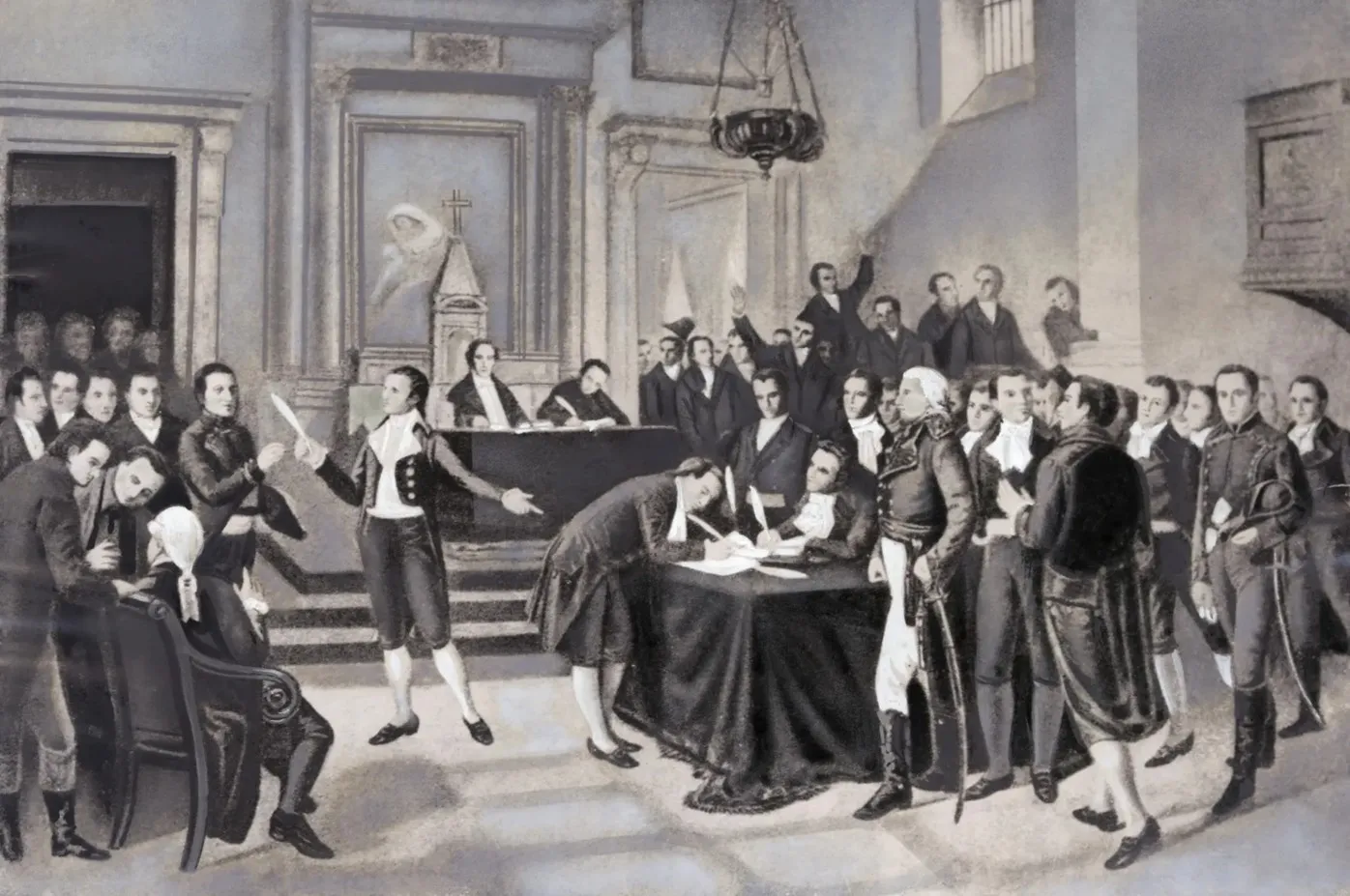
Chavez's political position was based on the ideas of Bolivarianism — the legacy of Simon Bolivar, the liberator of South America. He sought the unification of Latin America, the reduction of US influence in the region, and the creation of a multipolar world. In 1999 a new constitution was adopted, renaming the country the Bolivarian Republic of Venezuela and expanding the powers of the president. Chavez positioned himself as a defender of the country's sovereignty and independence. His rhetoric was sharply anti-American; he frequently criticized Washington for interfering in the internal affairs of other states and for its neoliberal economic policy.
Chavez's attitude toward socialism evolved over time. Initially he did not call himself a socialist, but in 2005, at the World Social Forum in Porto Alegre, he openly declared for the first time the construction of 21st-century socialism in Venezuela. For Chavez, socialism did not mean copying the Soviet model but represented a mixture of Christian values, Bolivarian patriotism, and Marxist economic theory. He nationalized key industries, including the oil sector, telecommunications, and electric power. In 2007 he proposed a package of constitutional reforms aimed at deepening socialist transformations, although some points were rejected in a referendum.
The main achievements of Chavez are considered to be the large-scale social programs known as missions. They were aimed at fighting poverty and illiteracy and at providing access to healthcare. Thanks to high oil prices in the 2000s, the government financed the construction of housing, schools, and hospitals in poor areas. The level of poverty decreased significantly between 2003 and 2011. Chavez also initiated the creation of regional organizations, such as ALBA and UNASUR, which were to promote the economic integration of Latin American countries without the participation of the USA. His influence on the international arena was enormous; he became the voice of the Global South in the UN.
However, Chavez's rule was accompanied by serious polarization of society and accusations of authoritarianism. The opposition criticized him for concentrating power and putting pressure on independent media and courts. In 2002 an attempt at a coup d'etat against Chavez himself took place, which was the result of a conspiracy by the opposition and the USA. The country's economy became extremely dependent on oil exports, which created vulnerability when energy prices fell. Inflation and shortages of goods began to rise toward the end of his rule. Nevertheless, for millions of Venezuelans he remained a symbol of hope and dignity.
Hugo Chavez passed away on March 5, 2013. Nicolas Maduro became his successor. Chavez's legacy remains the subject of heated debate. Supporters see in him a leader who returned the country's resources to the people and gave a voice to the disenfranchised. Critics point to the economic collapse and the erosion of democratic institutions that occurred in the subsequent years. Regardless of one's point of view, it is impossible to deny that Chavez left a deep mark on history. He proved that an alternative to neoliberalism is possible in Latin America and inspired left-wing movements around the world. His figure continues to influence the region's politics even years after his death.