1975 –
present
Laos

Eradication of illiteracy
The elimination of illiteracy in Laos became one of the priority tasks after the proclamation of the Lao People's Democratic Republic on December 2, 1975. By this moment the country was in a deep socio-economic crisis after decades of colonial dependence and civil wars. The literacy level of the population was extremely low, especially in rural areas and among ethnic minorities, which made up a significant part of the population. The new socialist government understood that without the enlightenment of the masses it was impossible to build a new society and ensure economic development.
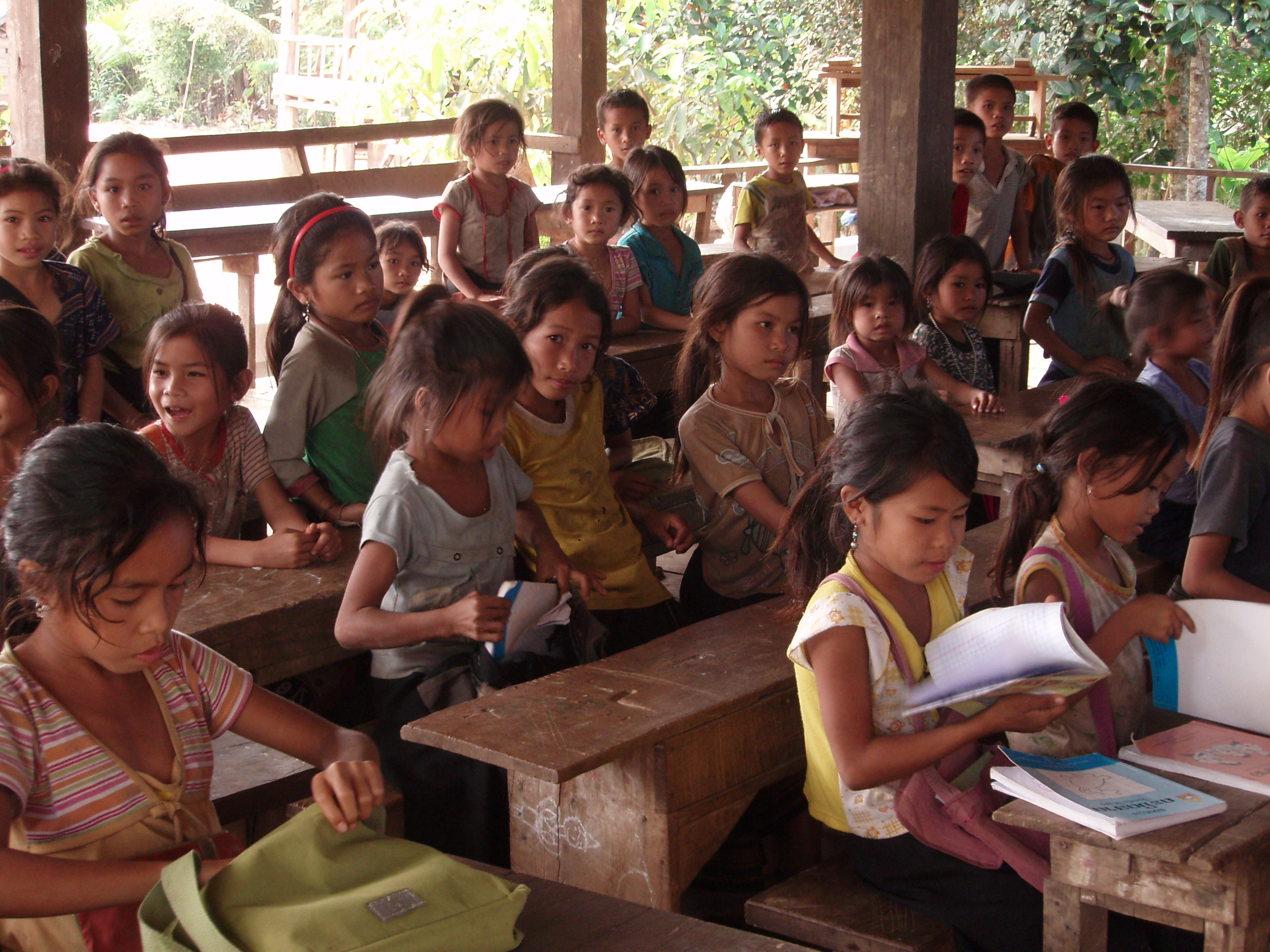
Immediately after coming to power, a large-scale campaign to combat illiteracy was launched. Already in 1976, illiteracy elimination centers began to be created all over the country. The authorities mobilized all literate citizens, including students, soldiers, and Buddhist monks, to teach in villages. The principle of "equal teaches equal" was used, which made it possible to quickly reach remote mountainous regions. Instruction was conducted in the Lao language, which was approved as the state language, which also contributed to national integration.
Special attention was paid to the development of simplified curricula. On March 15, 1977, the Ministry of Education approved new standards for literacy courses, which made it possible to master basic reading and writing skills in a few months. Educational materials were distributed free of charge. In hard-to-reach areas, mobile teaching brigades were created, which migrated together with the population. Women were actively involved in the learning process, which was a revolutionary step for traditional Lao society, where girls' access to education had previously been limited.
By the early 1980s, the first significant results had been achieved. Whereas in 1975 less than 30 percent of the population were considered literate, by 1985 this figure had grown to 50 percent. UNESCO noted the efforts of the Lao government in this sphere. On September 8, 1980, on International Literacy Day, the first results of the five-year plan were summed up, showing a decrease in the level of illiteracy among young people. Progress was especially noticeable in provincial centers, where new schools and evening courses for adults were opened.
However, the process faced serious difficulties. The shortage of qualified teachers and textbooks remained an acute problem throughout the 1980s. The linguistic diversity of the country made it difficult to educate ethnic groups that did not speak the Lao language. The government tried to solve this by creating writing systems for some minorities, but resources were not always sufficient. Economic difficulties and the country's isolation in the region also affected the pace of reforms. Nevertheless, the educational infrastructure was laid precisely during this period.
By the end of the 1990s, the literacy level in Laos continued to grow, reaching more than 70 percent. The foundation laid by the socialist government in the first decades of the LPDR's existence allowed the country to move forward. The elimination of illiteracy is regarded by historians as one of the main social achievements of the Pathet Lao regime. This helped to improve the health of the population, raise political consciousness, and create a base for subsequent economic development under the conditions of the market reforms of the 1990s.