10.08.2026
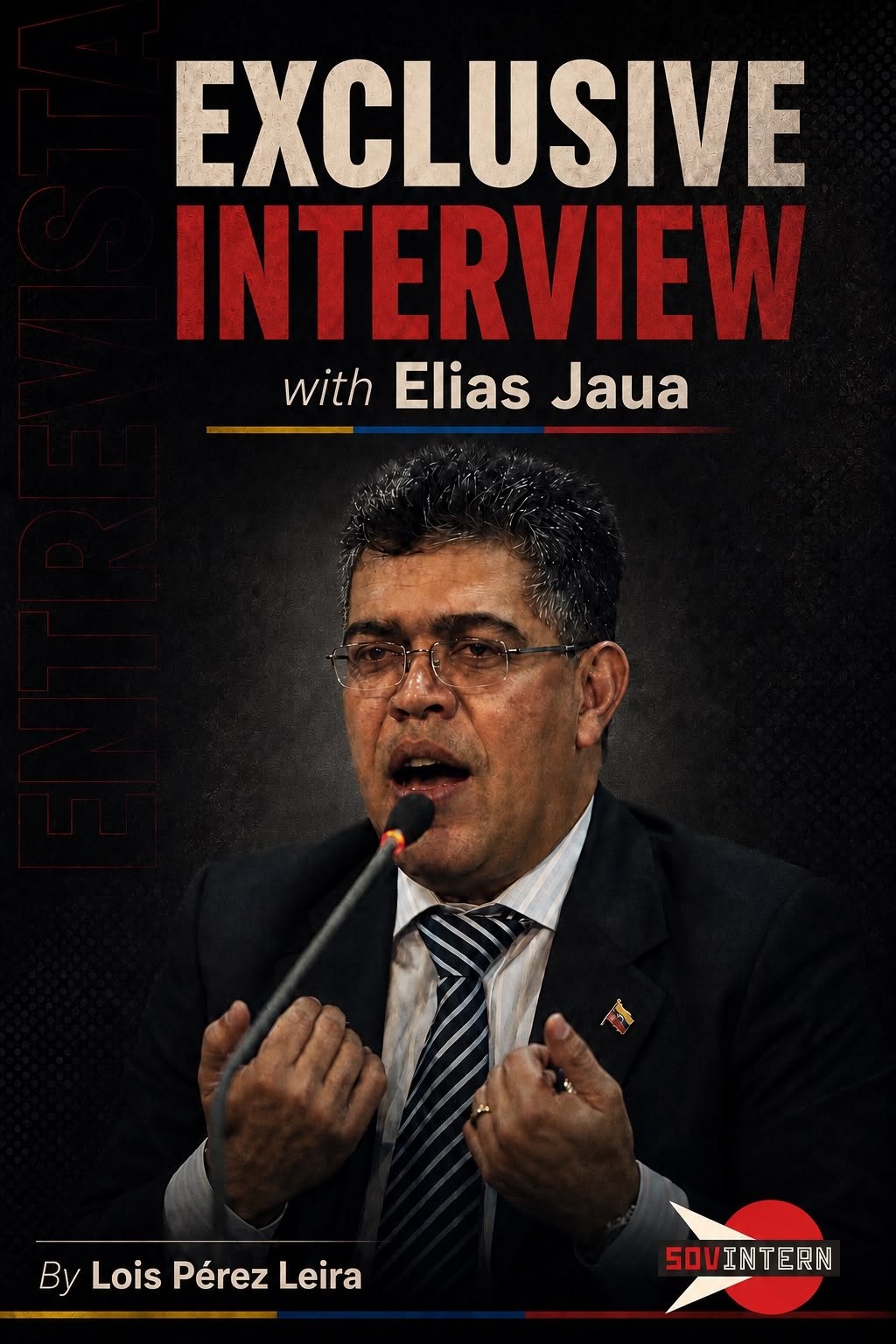
Elias Jaua leads the resistance of anti-imperialist Chavismo in Venezuela
Elias Jaua leads the resistance of anti-imperialist Chavismo in Venezuela
Elias Jaua Milano is a well-known Venezuelan politician, sociologist, and professor, who gained prominence as one of the key figures in the administration of former President Hugo Chavez Frias. With many years of experience in political activity within the ranks of Venezuelan socialists, Jaua held various high state positions, including the office of Vice President of the Republic, and also headed the ministries of Agriculture and Lands, Communes and Social Protection, and Foreign Affairs.
Throughout his political career, he has established himself as a convinced supporter of the Bolivarian project, the communal organization of society, and anti-imperialist thought. After the death of Hugo Chavez, Jaua continued to actively participate in the country's political life, maintaining a critical position regarding the further development of the Bolivarian process. Currently, he remains one of the representatives of the patriotic and popular camp, advocating for the restoration of national sovereignty and the protection of the fundamental principles of the Bolivarian Revolution.
— What has changed in Venezuela after the kidnapping of Nicolas Maduro?
— After January 3, Venezuela lost its independence and economic sovereignty. The economic and social situation has worsened, and the political crisis continues. We are a country being plundered by an occupying power.
— International public opinion still does not understand how the kidnapping of Maduro became possible?
— In Venezuela itself, there is also no official explanation of how the acting head of state and his spouse were kidnapped without large-scale military resistance, except for the resistance of brave servicemen of the Presidential Guard and Cuban fighters.
— Is Maduro's freedom more important than the testaments of Bolivar and Chavez?
— The Homeland must always come first; the interests of the people must be the priority. The revolutionary project is a collective, not an individual, matter.
— Where has anti-imperialist thought disappeared to?
— Anti-imperialist thought persists in the popular left, patriotic, Bolivarian, and Chavista movement, which must wage a political struggle for the restoration of our Republic.
— Do international leftists not understand that Venezuela has turned into a Yankee viceroyalty?
— A military defeat occurred, and the leadership decided to follow a plan of cooperation with the occupying power.
— Did such a political position form even earlier?
— The adoption of neoliberal measures, an alliance with the bourgeoisie and landowners, undemocratic leadership methods, and the improper use of state repression against the backdrop of foreign economic aggression led to a reduction in the popular support base.
— Why did the socialism emerging in Venezuela not receive further development?
— Because after Chavez's death, reformist currents gradually took control of the Bolivarian process into their hands and, instead of responding to foreign aggression by deepening the transition to socialism, chose to restore the power of economic elites.
— Some experts claim that the only one who benefited after Chavez's death was the Venezuelan bourgeoisie?
— The traditional and new bourgeoisie—and far not only them.
— Is it possible to restore the Bolivarian Revolution?
— From below, uniting people, creating a popular organization and defending principles—in a new context that requires great political ingenuity.
— Is the Maracay Declaration the beginning of the formation of a patriotic movement in defense of national sovereignty against the empire and the Zionist state of Israel?
— At this stage, it is a coordination of the patriotic, democratic, and popular ideological movement with the aim of protecting the Constitution of the Bolivarian Republic of Venezuela, fighting for the restoration of national independence, and protecting the rights of workers—men and women.
— You were Vice President of Venezuela under Hugo Chavez. What would Chavez say today about the current situation?
— He spoke about this repeatedly: aggression will inevitably come and only a powerful popular movement and the unity of Latin America and the Caribbean can stop it. For myself, I will say: we have to start anew, but not from zero. We must fight! I am sure that is exactly what Commander Chavez would say.