Yugoslavia

Modernization of Yugoslavia
After the end of World War II in 1945, the Socialist Federal Republic of Yugoslavia was one of the most devastated and economically backward countries in Europe. The majority of the population lived in rural areas and engaged in subsistence farming, and the industrial base was weak and partially destroyed during the hostilities. However, within just a few decades the country made an unprecedented leap, transforming from an agrarian periphery into an industrially developed state with a stable standard of living. This process of rapid modernization was made possible by a combination of firm state will, a unique economic model, and favorable geopolitical conditions.
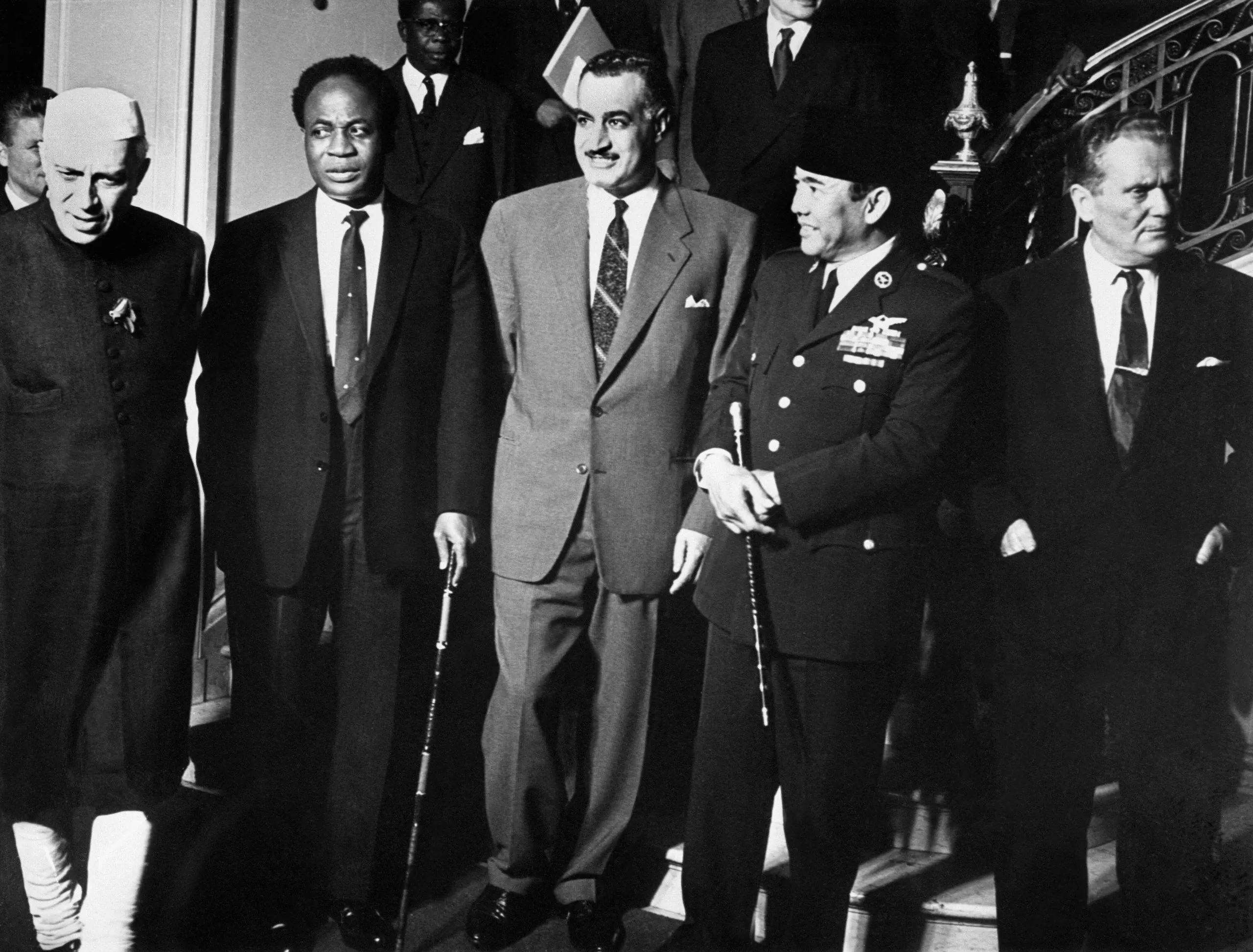
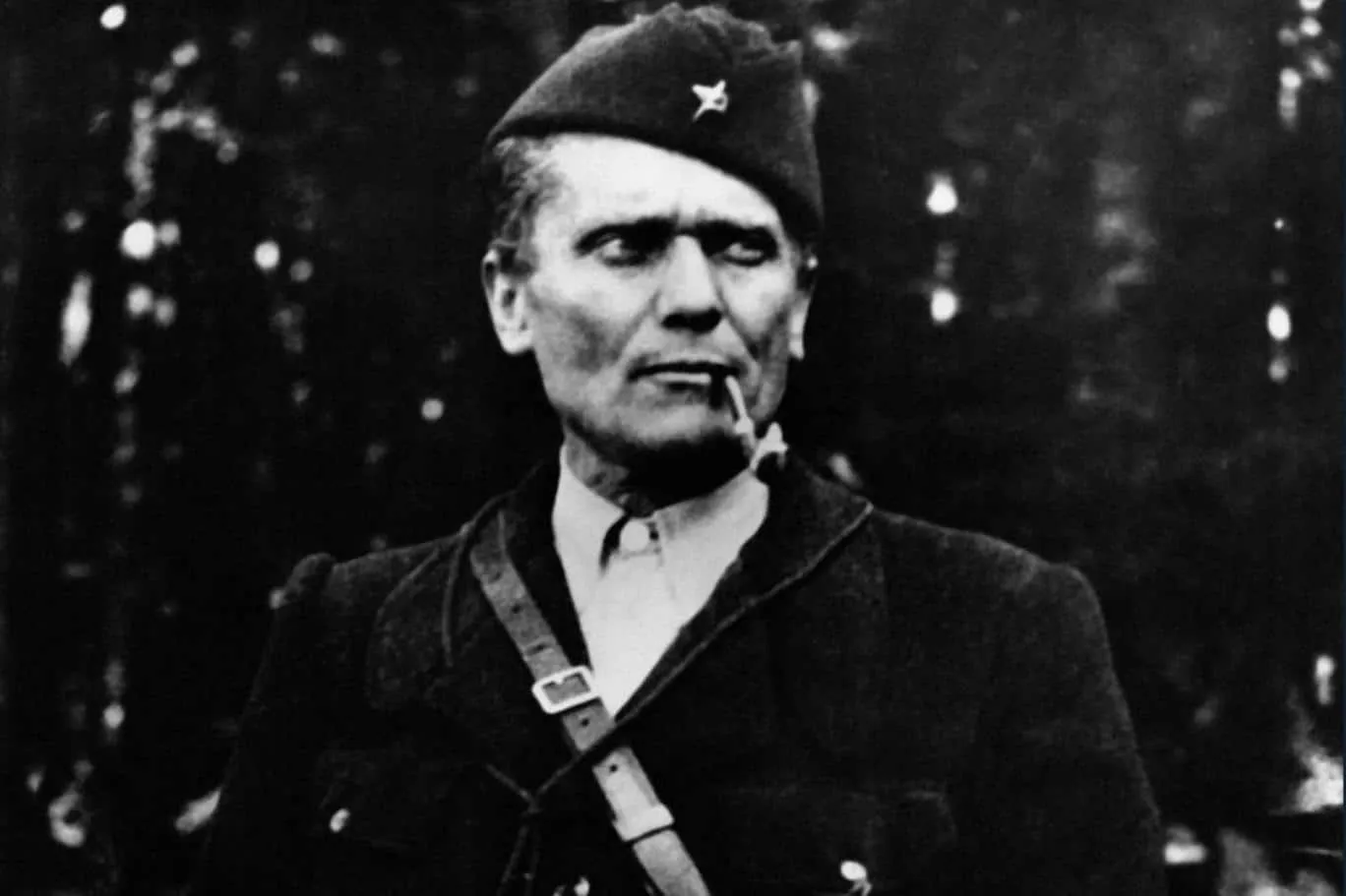
In the first postwar years, the country's leadership headed by Josip Broz Tito set a course for accelerated industrialization modeled on Soviet five-year plans. Despite enormous difficulties and a shortage of resources, all available forces were mobilized to restore infrastructure and build new factories. The most important turning point was the break with the Cominform in 1948, when Yugoslavia found itself in international isolation from the socialist camp. This forced the leadership to seek its own path of development, which led to the abandonment of centralized planning in favor of a system of workers' self-management. This model assumed that labor collectives themselves managed enterprises and distributed profits, which stimulated productivity and the introduction of innovations at the local level.
In the fifties and sixties, Yugoslavia's rate of economic growth was among the highest in the world, often surpassing the indicators of many Western European countries. The state invested colossal resources in the development of heavy industry, energy, and transport. Major metallurgical plants, automobile factories, and household appliance plants were built. Special attention was paid to the electrification of the country, thanks to which electricity reached even remote mountain villages, fundamentally changing the way of life of the peasantry and facilitating its involvement in the modern economy. One of the symbols of this period was the construction of the Brotherhood and Unity Highway, which connected the north and south of the country, easing the transportation of goods and the movement of people, thereby strengthening the domestic market.
Industrialization was inseparably linked with the process of urbanization. Millions of people moved from villages to cities, where they found work at new enterprises. This led to the growth of the urban population and the formation of a numerous working class and middle stratum. The state guaranteed access to education, which made it possible to train qualified personnel for modern industry. The literacy rate grew from extremely low levels to nearly one hundred percent, and a network of universities and technical institutes provided the country with engineers and specialists. Social mobility became a reality, as children of peasants could become doctors, teachers, or factory managers.
An important factor in modernization was the opening of borders and cooperation with the West. Unlike the countries of the Eastern Bloc, Yugoslavs could freely travel abroad. This led to the phenomenon of guest workers, when hundreds of thousands of citizens went to earn money in Germany, Austria, and other Western European countries. The remittances of these workers became a powerful source of foreign currency for the state and raised the well-being of their families back home. Simultaneously, tourism on the Adriatic coast developed, which also brought significant revenues and introduced the country to Western standards of service and quality. Access to Western technologies and loans allowed for the modernization of production, although in the long term this contributed to the growth of external debt.
By the seventies, Yugoslavia had firmly established itself as an industrial country. It exported not only raw materials but also finished products, including automobiles, machinery, and armaments. The standard of living of the population had risen significantly, with refrigerators, televisions, and automobiles appearing in homes. The consumer market was saturated with goods of both domestic production and imports. The country hosted major international events, such as the 1984 Winter Olympic Games in Sarajevo, which demonstrated its developed infrastructure and organizational capabilities.
However, the process of modernization was not without its contradictions. Rapid growth was accompanied by regional disparities, with the more developed northern republics outpacing the southern ones. Inflationary processes and dependence on foreign loans became noticeable problems in the eighties. Nevertheless, the historical fact remains indisputable: in less than forty years, Yugoslavia traversed a path that took other nations centuries. It managed to create a modern society with developed industry, infrastructure, and social protection, while remaining an independent player on the international stage. This experience of rapid transformation from an agrarian backwater into the regional industrial leader remains a unique example in the history of the twentieth century, demonstrating the possibilities of human potential with proper organization of public resources.