Yugoslavia

Non-Aligned Movement
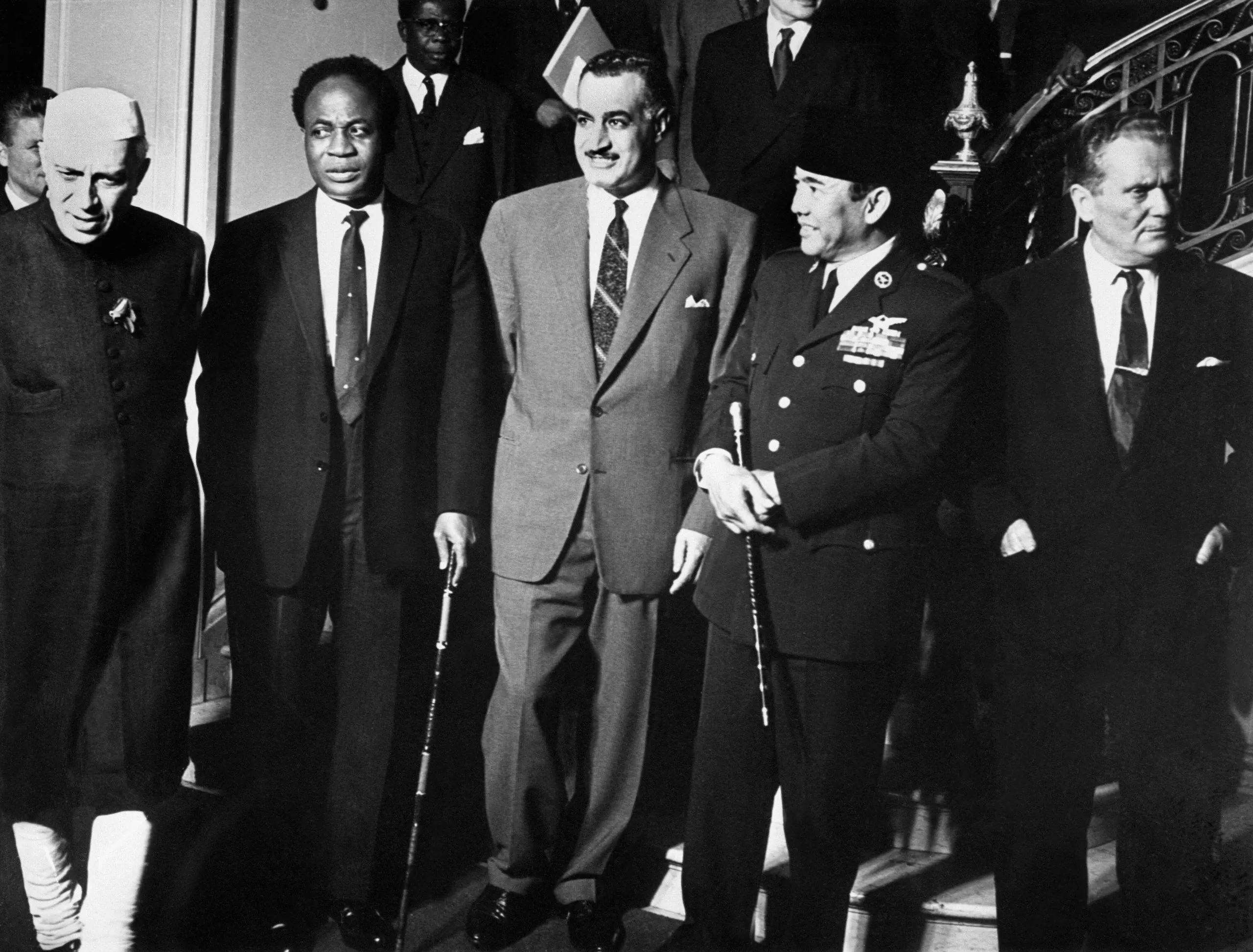
The Non-Aligned Movement became one of the most significant geopolitical phenomena of the second half of the twentieth century, emerging at the height of the Cold War as a response by numerous countries to the bipolar confrontation between the United States and the Soviet Union. The idea was to create a third force that would belong neither to the NATO military-political bloc nor to the Warsaw Pact, while maintaining full sovereignty and independence in foreign policy. The origins of this movement are linked to the Bandung Conference of 1955, where Asian and African countries first declared their desire to cooperate without the interference of superpowers, although the formal establishment occurred later thanks to the active efforts of five key leaders of the time.
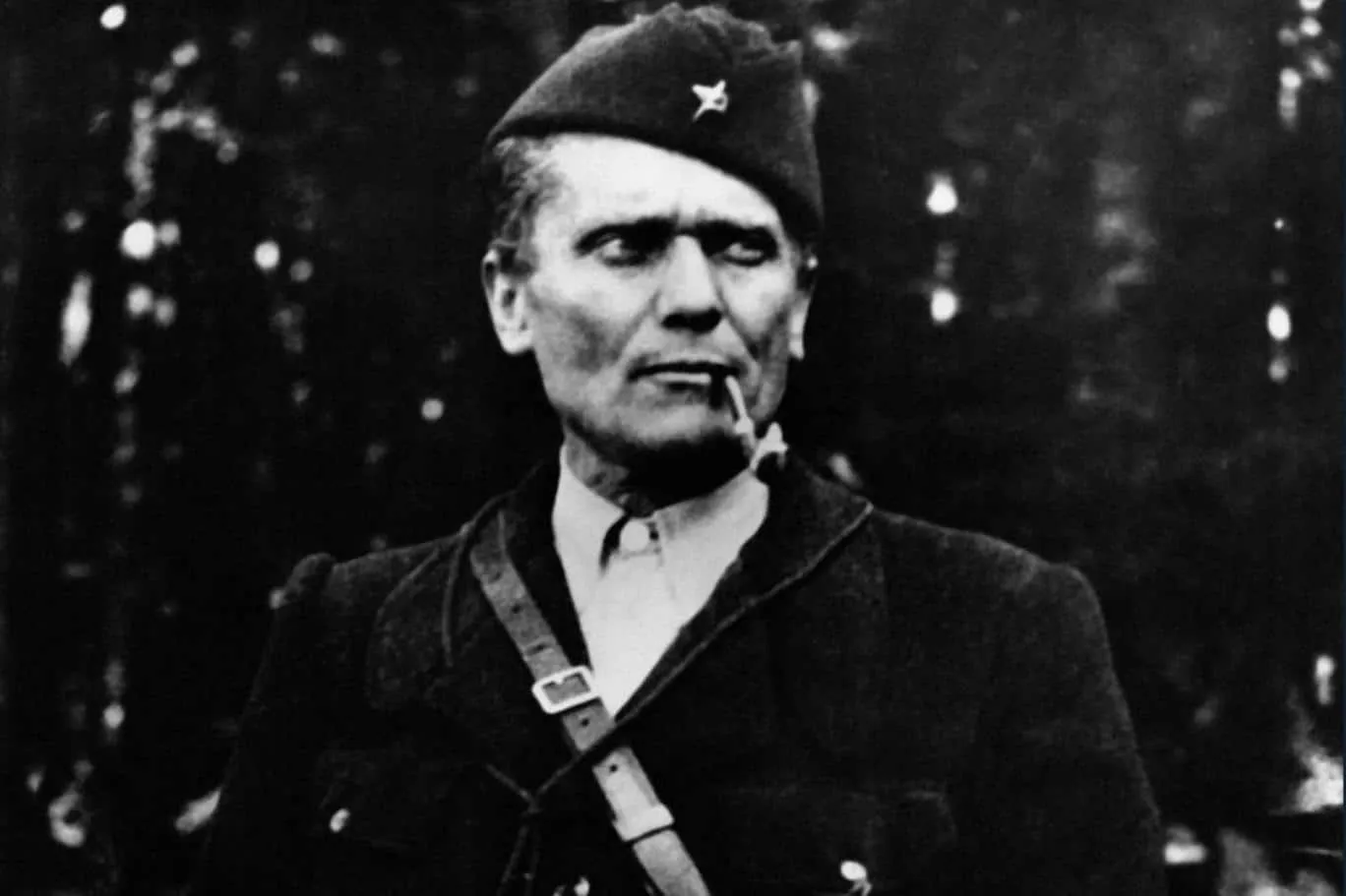
The founders of the Non-Aligned Movement are considered to be President of Yugoslavia Josip Broz Tito, Prime Minister of India Jawaharlal Nehru, President of Egypt Gamal Abdel Nasser, President of Indonesia Sukarno, and President of Ghana Kwame Nkrumah. It was this group of five politicians who managed to unite their efforts to create a platform that would give a voice to developing countries, many of them former colonies striving for independence. A special role in this process belonged to Yugoslavia, which as a European socialist country not part of the Soviet bloc possessed unique authority and could serve as a bridge between different civilizations and political systems.
The culmination of the organization's formation was the First Conference of Heads of State and Government of Non-Aligned Countries, held in Belgrade in September 1961. The choice of the Yugoslav capital as the venue for the first summit symbolized the country's openness and its central role in the movement. Representatives of 25 states attended the meeting and adopted a final declaration condemning colonialism, imperialism, and racial discrimination. The main principles of the movement became respect for sovereignty, territorial integrity, non-aggression, non-interference in the internal affairs of other states, equality, and peaceful coexistence. These principles became a kind of moral compass for many peoples fighting for liberation from foreign domination.
In the following decades, the Non-Aligned Movement grew rapidly, transforming into a massive international organization uniting more than a hundred countries in Asia, Africa, Latin America, and Europe. For Yugoslavia, membership and leadership in the movement became the foundation of its foreign policy, allowing it to compensate for the country's relatively small size with enormous diplomatic influence. Belgrade became one of the world's centers of diplomacy, where high-level meetings were regularly held. Yugoslavia hosted the movement's summit for the second time in 1989, confirming its long-term commitment to the ideals of non-alignment even in a changing world.
The movement's activities were not limited to political statements alone. It actively worked on issues of economic cooperation between developing countries, advocated for the creation of a new international economic order, and demanded fair trade conditions. In the United Nations, non-aligned countries formed a powerful lobby that often determined the outcome of votes on key issues of disarmament, decolonization, and human rights. The voice of the non-aligned bloc was impossible to ignore, and the superpowers were forced to reckon with their position when resolving global conflicts.
For the citizens of Yugoslavia, their country's belonging to the leaders of the Non-Aligned Movement was a source of national pride. It allowed Yugoslavs to feel part of a large global community, travel to Asian and African countries without visas, and participate in large-scale technical cooperation projects. Yugoslav companies built factories, roads, and hospitals in countries of Africa and the Middle East, exporting not only goods but also knowledge and technology. This created a network of friendly ties that worked for the benefit of the economy and the international prestige of the state.
However, the history of the movement was not without its complexities. The heterogeneity of its members, which included countries with different political regimes and levels of development, sometimes led to contradictions within the bloc itself. Furthermore, the end of the Cold War and the collapse of the Soviet Union in the early nineties raised the question of the movement's continued viability in its previous format, as the bipolar world system had disappeared. With the dissolution of Yugoslavia, the movement lost one of its most active and influential leaders, which weakened its position on the international stage.
Nevertheless, the Non-Aligned Movement has not ceased to exist and continues its work to this day, shifting its focus to issues of sustainable development, human rights protection, multilateral diplomacy, and countering new forms of hegemony. It remains the largest association of states after the United Nations, representing the interests of the Global South. Yugoslavia's historical role in creating and strengthening this movement remains undeniable, demonstrating how a medium-sized country can exert a proportionally enormous influence on world politics through wise diplomacy and clear principles. The legacy of the Belgrade Conference of 1961 continues to remind the world of the possibility of finding an independent path of development under conditions of global pressure.