1884 –
present
United Kingdom

British socialism
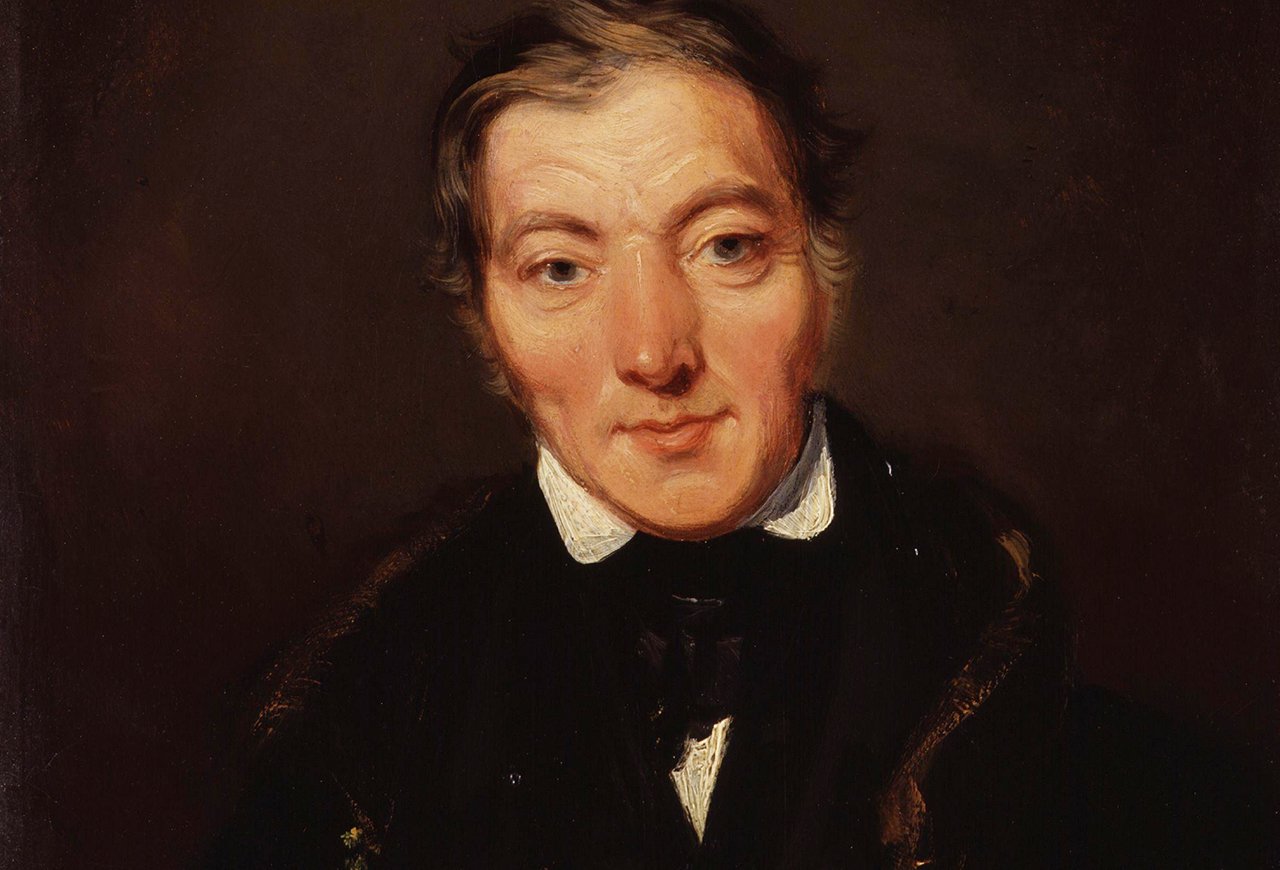
In the history of Great Britain there have been many notable socialists who exerted significant influence not only on their own country but also on the global political movement. British socialism developed along a unique path, different from the revolutionary scenario realized in Russia. The foundation of the British tradition became reformism and the aspiration for change through parliamentary mechanisms. One of the earliest and most influential figures was Robert Owen, who was active in the early 19th century. He is considered one of the founders of utopian socialism. Owen was a successful industrialist who tried to create ideal communities based on cooperation, equality, and the absence of exploitation. His experiments in Scottish New Lanark and American New Harmony attracted the attention of the public and of monarchs. Although his projects did not become mass phenomena in the long term, they laid the foundation for the cooperative movement and the early trade unions. Owen demonstrated that improving working conditions could be profitable for business.
An important role in the development of socialist theory was played by the stay of Karl Marx and Friedrich Engels in Great Britain. Marx lived in London from 1849 until his death in 1883. It was here, in the British Library, that he wrote his principal work "Capital," analyzing the economy of industrial capitalism. Engels lived in Manchester and was engaged in business, financially supporting Marx's activity. Their presence turned London into a center of the international socialist movement of the 19th century. However, mass political organization began to form later, when the working class gained voting rights. In 1884, the Fabian Society was founded, which became the intellectual center of British socialism. Its members, including the playwright George Bernard Shaw and the economists Sidney and Beatrice Webb, advocated a gradual transition to socialism through democratic institutions. They rejected revolutionary methods, preferring a strategy of permeating existing parties and state structures with socialist ideas.
The creation of the Labour Party became a key moment in the country's political history. The party was founded in 1900 as the "Labour Representation Committee" to secure a voice for workers in parliament. Keir Hardie became one of its first leaders and the first independent Labour member elected to the House of Commons. He championed the interests of the working class and demanded the introduction of pensions and unemployment insurance. By the 1920s, Labour had replaced the Liberals as the main opposition force to the Conservatives. In 1924, the first Labour government was formed under Ramsay MacDonald. Although it was short-lived and dependent on Liberal support, it marked the emergence of socialists at the highest level of power without an armed coup.
British socialism achieved its greatest successes after the Second World War. In the 1945 elections, Labour won a convincing victory, gaining the support of the people, who desired social guarantees. Clement Attlee became prime minister. His government implemented a large-scale program of nationalization of key sectors of the economy, including the coal industry, railways, steel, and energy. The National Health Service - NHS - was created in 1948. This provided free medical care for all citizens regardless of income. The social security system was expanded, and unemployment and old-age benefits were introduced. These reforms laid the foundations of the welfare state, which became a model for many Western countries.
In the following decades, socialist thought in Great Britain continued to evolve. In the 1960s and 1970s, the left wing of the Labour Party strengthened its influence. Tony Benn became a symbol of democratic socialism within the party. He advocated the expansion of state control over the economy and withdrawal from the European Economic Community. However, in the 1980s, under Prime Minister Margaret Thatcher, a rollback from socialist principles toward neoliberalism began. Many state-owned enterprises were privatized, and the influence of the trade unions was curtailed. Nevertheless, the ideas of social justice remained popular in society. Preserving the National Health Service became a red line that even the Conservatives did not dare to cross.