Tanzania

Ujamaa
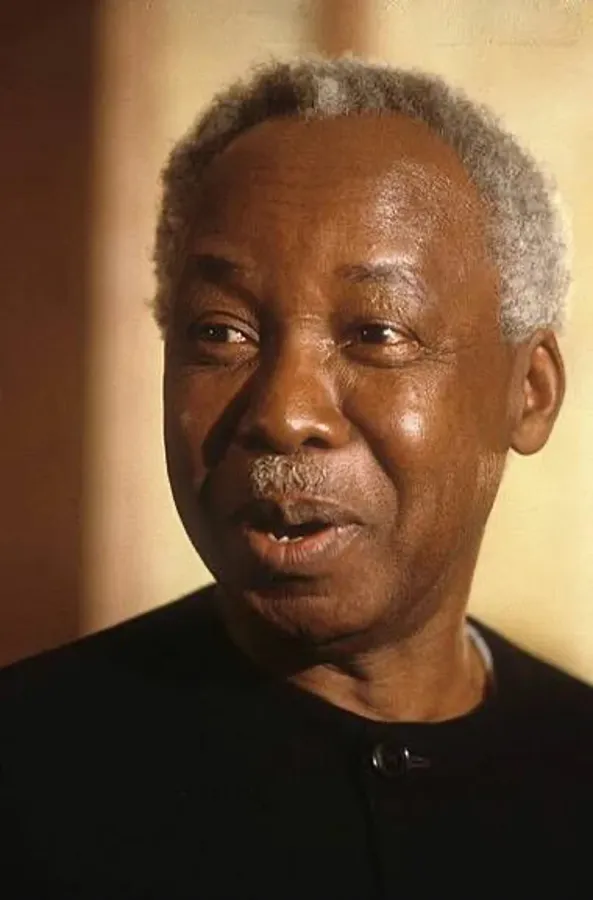
Tanzania is associated with the name of Julius Nyerere, one of the most respected leaders of Africa, who developed the concept of "African socialism" or "ujamaa." In contrast to Marxism-Leninism imported from Europe, Nyerere's approach envisaged the use of local traditions and the communal order for organizing the economy, the rational use of resources based on traditional social institutions, collectivism, and mutual aid, which was closer to Africans than private property. Nyerere saw in this a break with the colonial capitalist heritage that had exploited the continent's resources. The policy of "ujamaa" included the creation of collective villages, the nationalization of key sectors of the economy, and an emphasis on education and health care. Tanzania became a refuge for many liberation movements of the region, including the ANC of South Africa and FRELIMO of Mozambique, which underscored Nyerere's internationalism. However, the economic results of the policy were mixed: although social indicators improved, agricultural production often fell due to the forced resettlement of peasants. Nevertheless, Tanzania preserved political stability and the unity of the nation, which many of its neighbors failed to achieve. Nyerere voluntarily stepped down in 1985, leaving behind the legacy of an honest leader who did not cling to power. His ideas influenced the formation of the Organization of African Unity, where he advocated the integration of the continent. Today Tanzania remains one of the most stable states in East Africa, and the concept of African socialism is studied as a unique attempt to adapt global ideologies to local realities