Kenya

 Play sound
Kenya's independence
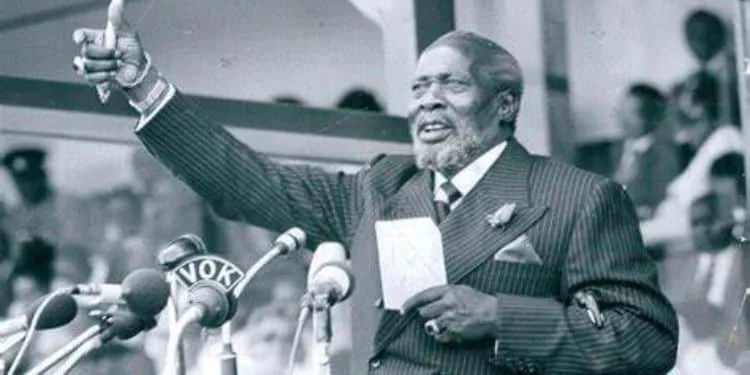
Kenya became one of the centers of the liberation movement in East Africa, and its first leader after independence was Jomo Kenyatta. He served as the first prime minister and then the first president of independent Kenya from 1964 to 1978. It is significant that back in October 1945, Kenyatta, together with Kwame Nkrumah, Julius Nyerere and other supporters of African liberation, took an active part in the organization and work of the V Pan-African Congress in Manchester. This event laid the ideological foundation for the future independence of the continent and connected the leaders of different colonies into a single network of resistance.
The struggle for independence in Kenya was marked by the Mau Mau uprising against British colonial rule in the 1950s. Although Kenyatta himself distanced himself from violence, preferring political methods of resolving conflicts, his name was associated with the freedom movement, and he was subject to repression by the British authorities. Independence was officially achieved in 1963. Having come to power, Kenyatta pursued a policy of reconciliation, calling for forgetting the past and working for the future, but the land issue remained acute and required careful regulation.
Kenya chose a pro-Western development course, maintaining a market economy, which distinguished it from socialist neighbors such as Tanzania. However, Kenyatta's role as one of the founding fathers of Pan-Africanism is invaluable. His participation in the Manchester Congress links Kenya's history with the general intellectual movement for African liberation, which coordinated the efforts of leaders of different countries long before they gained real power. Under his leadership, the country was able to maintain relative stability in the region, despite ethnic diversity and external challenges.