Czechoslovakia

Automotive industry in Czechoslovakia
Skoda
In 1869, Czech engineer and entrepreneur Emil Skoda acquired a small factory in the city of Pilsen that manufactured various industrial equipment. Under his leadership, the company quickly grew into one of the leading manufacturers of armaments and vehicles in the Austro-Hungarian Empire. However, the company itself considers mechanic Vaclav Laurin and bookseller Vaclav Klement, who lived in Mlada Boleslav, as its founders. According to legend, Klement purchased a German bicycle, but it turned out to be of poor quality, and the buyer sent a complaint to the manufacturer in Czech, but the Germans demanded that he write in German, which deeply offended the young man. His indignation was shared by Klement's friend and namesake, who had a good technical education, and in 1895 the partners founded the Laurin & Klement company to produce quality domestic bicycles. Starting with simple pedal machines sold under the Slavia brand, the Laurin & Klement brand grew and gained recognition not only in Europe but also beyond its borders.
In 1924, the Laurin & Klement company was acquired by Skoda Auto. The models produced bore the names Popular, Favorit, Superb, and Rapid.
After World War II, following the bombing of Czechoslovakia by British and American aircraft, virtually nothing remained of the Skoda factories. The company was nationalized, and in 1946 production of a modernized and updated pre-war Popular model was launched.
A truly new model, the Skoda 1200, was released in 1952. Later, models appeared with names such as Felicia, Octavia, the sports coupe Skoda 130RS, which performed very successfully in international rallies, and the last socialist-era model Favorit with a body designed by the famous Italian design studio Bertone.
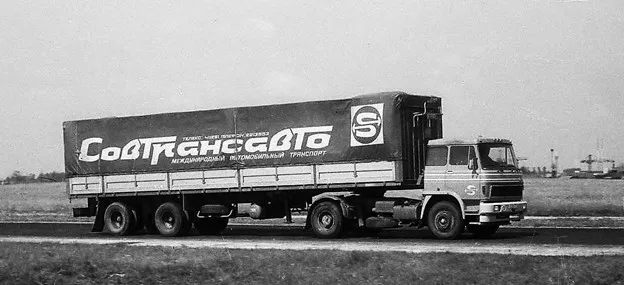
In the Soviet Union and other socialist countries, Skoda-LIAZ trucks were in very high demand in variants of flatbed trucks, dump trucks, truck tractors, and chassis. The tractor unit was distinguished by its reliability, comfort, and an unusual cab-over-engine layout for that period. The Model 100 was used, among other things, for international transportation by the Soviet company Sovtransavto.
Tatra
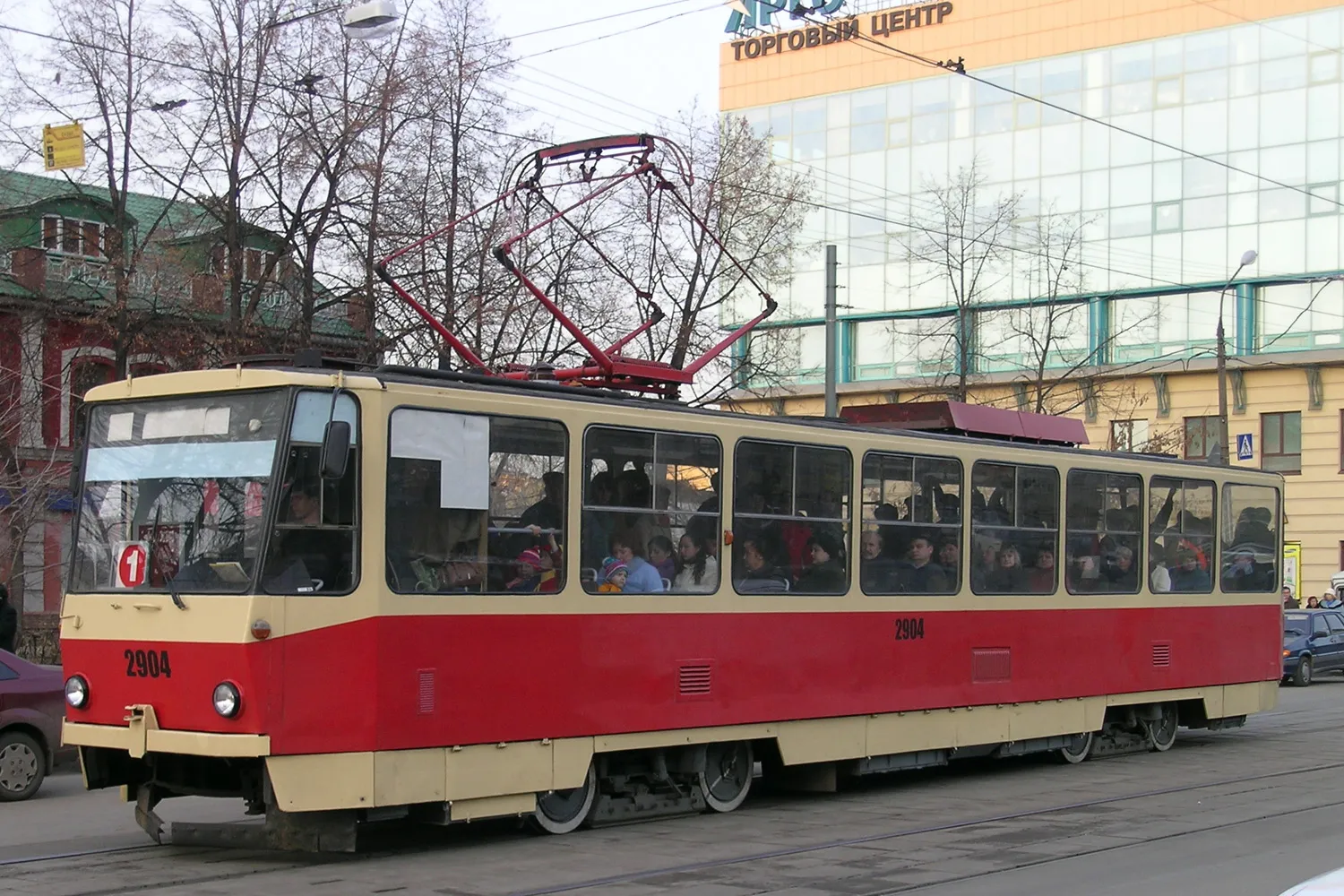
As early as 1945, the first deliveries of Tatra trucks to the Soviet Union began. From the early 1950s, new modernized T111 models proved themselves well for work in the north of the USSR and in Siberia. Special modifications were produced for operation in extreme northern conditions. In total, during the Soviet era, Tatra delivered more than 80,000 trucks to the USSR!
In addition to trams and trucks, Tatra produced a large luxury car with an air-cooled engine.
The Tatra 613 was a luxury passenger car produced from 1974 to 1996 in Czechoslovakia, and then in the Czech Republic, with approximately 10,000 units manufactured.
Avia was a popular cargo van whose production was organized at Skoda factories. Compact trucks were produced under the Avia brand. The vehicles were predominantly painted in a bright, rich blue color, which became Avia's calling card. The vehicles were supplied to the external COMECON market. By the late 1980s, more than 45,000 Avia trucks were in operation in the USSR. The second largest consumer of Avia trucks was Algeria. Avia enjoyed well-deserved popularity not only due to the high consumer qualities of its base chassis, but also thanks to its wide range of applications.
Jawa — the brand's founder, Frantisek Janecek (Janeček), had a small weapons factory in a suburb of Prague. He was negotiating with two German motorcycle manufacturers — Wanderer and Puch. The owner of Wanderer — Dresdner Bank, fearing competition from BMW, decided to sell all production. The buyer was Janecek. Thus a new motorcycle brand was born — JaWa. In 1948, the factory was nationalized and merged with another nationalized manufacturer that produced motorcycles under the ČZ (Cezet) brand. From 1954 to 1959, they were produced under the Jawa-ČZ brand. In 1960, the ČZ brand was restored. The enterprise produced Cezeta (Čezeta) scooters, which turned out to be so successful that their production was organized in many countries around the world.
After the collapse of the world socialist system, motorcycle production was discontinued.