2022 –
present
Colombia

Historic Pact
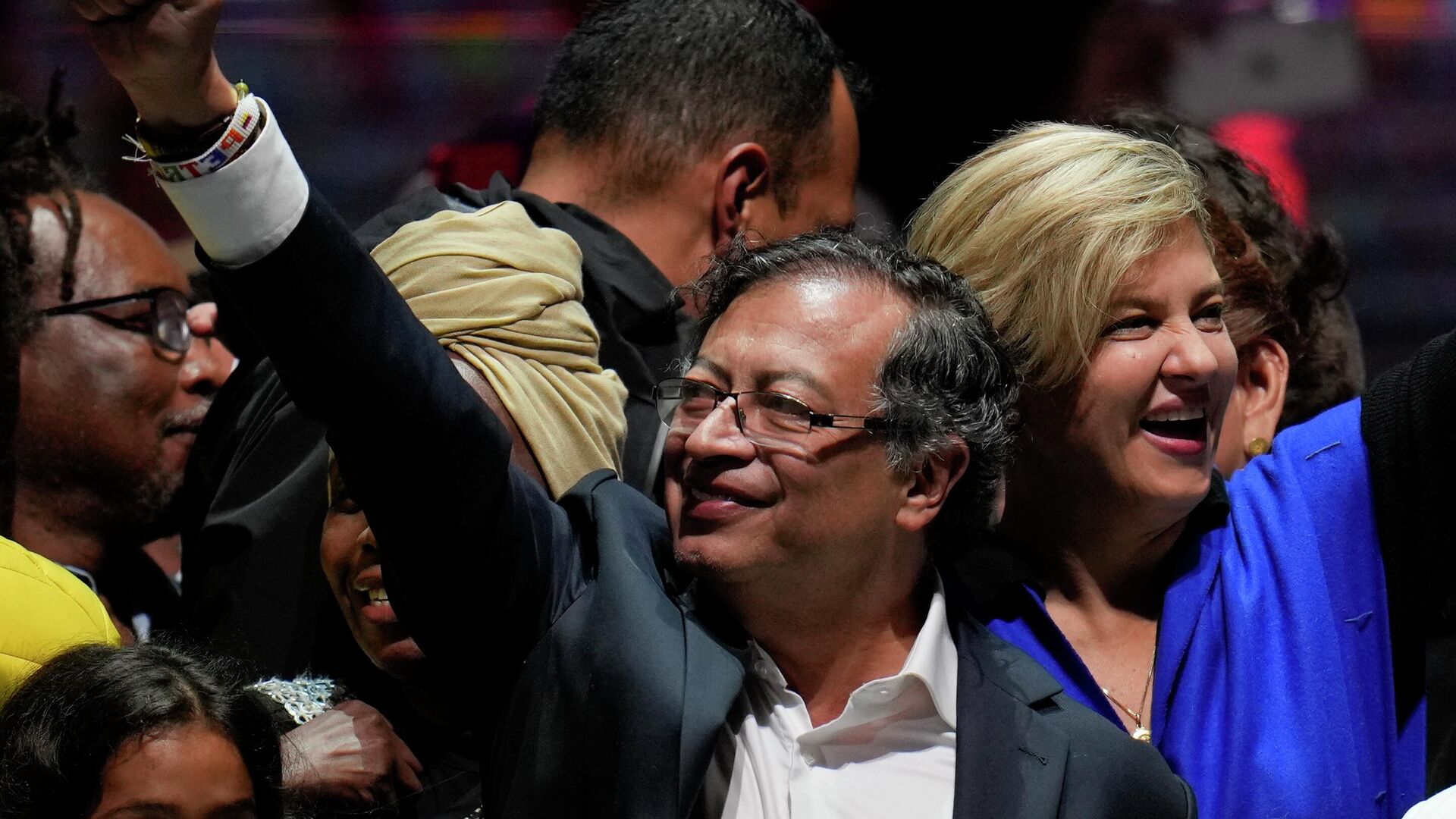
The "Historic Pact" represents a broad left-progressive coalition in Colombia that brought together various social movements, political parties, and independent candidates to participate in the 2022 elections. The main goal of the alliance was to overcome the traditional two-party dominance of Liberals and Conservatives, which had persisted in the country for more than half a century. The culmination of the coalition's activity was its victory in the presidential elections on June 19, 2022, when Gustavo Petro was elected head of state, becoming the first left-wing president in the history of the republic. This event marked a significant shift in the political landscape of Latin America and gave hope to millions of Colombians for structural changes in society. The coalition included such forces as the "Alternative Democratic Pole," the "Comunes" party formed by former FARC members, and numerous civic movements, making it the most diverse political association in the country's recent history.
Gustavo Petro Urrego has a rich political biography, which began with his participation in the urban guerrilla movement M-19, which laid down its arms and demobilized in 1990. After transitioning to legal politics, he served as a senator and as mayor of Bogotá from 2012 to 2015, where he implemented social programs as part of the "Bogotá for the People" project. His ideological stance evolved from the radical Marxism of his youth to contemporary democratic socialism and progressivism. Within the framework of the "Historic Pact," socialism is understood not as copying the Soviet model or establishing the dictatorship of the proletariat, but as an instrument of social justice, redistribution of wealth, and the expansion of state guarantees for vulnerable segments of the population. An important symbol of this approach was the election of Francia Márquez as vice-president, the first Afro-Colombian woman to hold this position.
One of the key achievements of the Petro administration was the implementation of a tax reform approved by Congress in November 2022. This law is aimed at increasing budget revenues by raising taxes on large fortunes and oil-producing companies in order to finance social programs and reduce the deficit. The government also initiated a comprehensive reform of the healthcare system, seeking to shift the focus from intermediary insurance companies to primary medical and sanitary care and state control over services. In the labor sphere, changes were introduced that restore night shifts and strengthen the protection of trade unions, which was welcomed by the workers' movements demanding improved employment conditions. The agrarian reform envisages the redistribution of land in favor of peasant farms and support for local food production, which is critically important for reducing poverty levels in rural regions, where historically the greatest inequality has been concentrated.
The policy of total peace has become the hallmark of the foreign and domestic course of the "Historic Pact." Unlike previous administrations, which emphasized forceful methods of combating illegal armed groups, the Petro government began negotiations with the remnants of guerrilla groups such as the ELN, and offered dialogue to armed structures linked to drug trafficking. To implement this strategy, Law 2272 of 2022 was adopted, creating a legal framework for negotiations. Although the process faces difficulties and criticism due to the continuing violence in some departments, the approach itself is recognized by the international community as a necessary step toward sustainable peace. In the environmental sphere, the government announced the cessation of the issuance of new contracts for oil and gas exploration, focusing on the transition to renewable energy sources. This decision provoked debate among economists who fear for budget revenues, but it was supported by eco-activists and youth.
Despite its ambitious plans, the implementation of the Historic Pact's program faces serious resistance from traditional elites. The conservative majority in Congress often blocks or softens the president's legislative initiatives, which slows the pace of reforms and forces the government to seek complex compromises. Economic indicators, including GDP growth and the peso's exchange rate, experience fluctuations due to internal instability and external factors such as global inflation. Critics point to the risks of excessive state intervention in the economy and a possible outflow of foreign investment, which could limit opportunities for job creation. However, supporters emphasize that for the first time in a long time, the issues of inequality, social protection, and ecology have moved to the forefront of the national agenda.