1908 –
1973
Chile

Salvador Allende
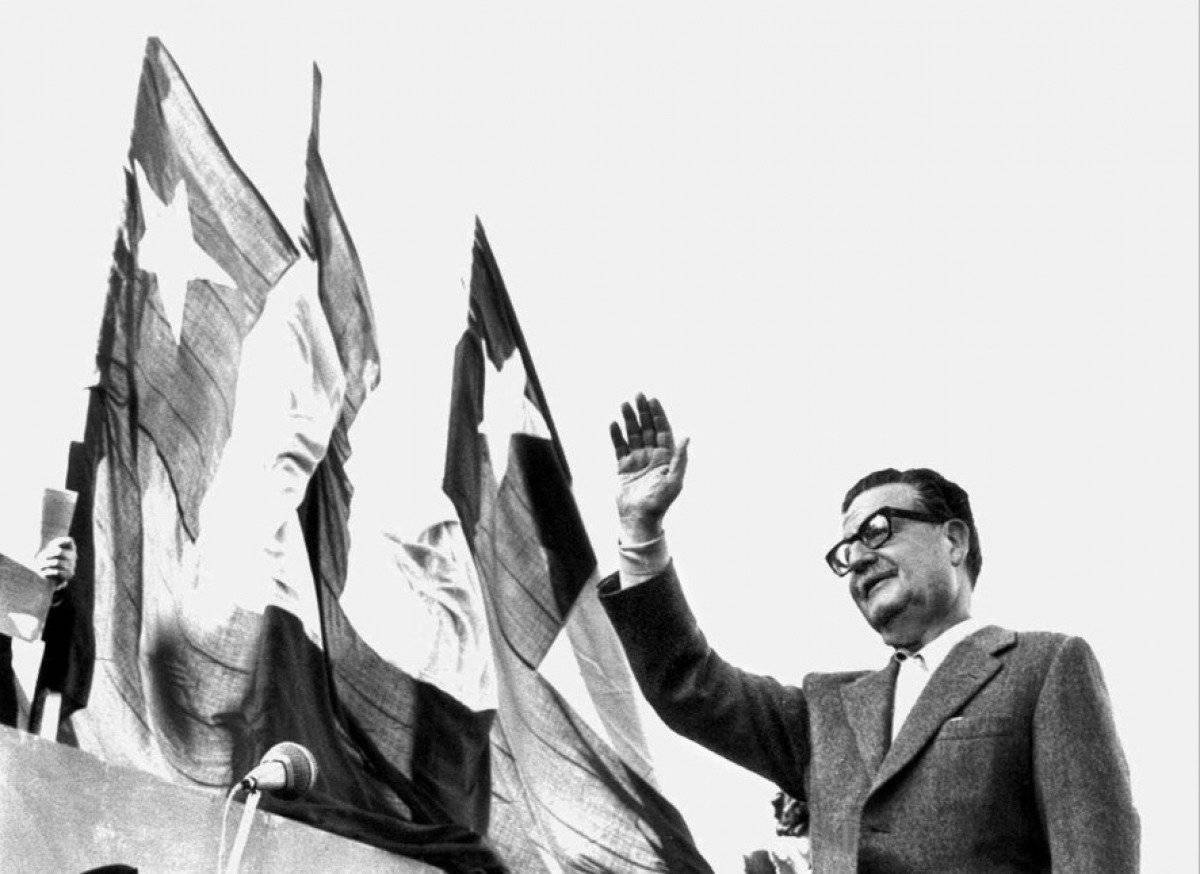
Salvador Allende is one of the most significant figures in the history of Latin America in the 20th century. He held the office of President of Chile from 1970 to 1973. His election was a historic event, since he became the first Marxist to come to power as a result of free democratic elections in the region. Allende represented the Socialist Party of Chile and led a coalition of left-wing forces called Popular Unity. His political position was based on the ideas of democratic socialism. Unlike many revolutionaries of that time, he rejected the armed path and insisted on the possibility of building a socialist society within the framework of the existing constitution and legislation. This approach was called the Chilean path to socialism.
Allende's attitude toward socialism was deeply ideological yet at the same time pragmatic. He believed that social justice could be achieved through reforms rather than through the dictatorship of the proletariat in the Soviet sense. His program envisaged the large-scale nationalization of key sectors of the economy. The most important step was the nationalization of the copper industry, which was controlled by American companies. Copper was Chile's main export commodity, and transferring these resources under state control was meant to provide financing for social programs. Banks, coal mines, and some large industrial enterprises were also nationalized. The goal was to create a mixed economy with a dominant role for the state in strategic sectors.
The achievements of the Allende government in the social sphere were substantial. His administration implemented ambitious programs to improve access to education and healthcare for the most vulnerable segments of the population. A campaign to eliminate illiteracy was launched, and the number of schools and universities was increased. The healthcare system was expanded to cover poor areas where medical care had previously been practically unavailable. The government also introduced price controls on basic foodstuffs in order to combat inflation and ensure food affordability for working families. An agrarian reform was carried out, in the course of which large landowners' estates were expropriated and transferred to peasant cooperatives. These measures significantly raised the standard of living of many Chileans in the first years of his rule.
However, the political situation in the country rapidly deteriorated. Allende's reforms met fierce resistance from the internal opposition, big business, and landowners. Economic sanctions and covert intervention by the USA, which feared the spread of socialism in the Western Hemisphere, aggravated the crisis. Shortages of goods arose in the country, inflation rose to hyperinflationary levels, and political polarization reached its peak. The opposition controlled Congress and blocked the president's initiatives. By 1973 society had split into two irreconcilable camps. Military circles, which had previously remained loyal to the constitution, began preparing a coup.
On September 11, 1973, a military coup took place, led by General Augusto Pinochet. The presidential palace La Moneda was subjected to bombardment. Salvador Allende refused to capitulate and leave his post. According to the official version, later confirmed by expert examinations, he committed suicide during the storming of the palace in order not to fall into the hands of the putschists. His death marked the end of the democratic period in Chile and the beginning of a military dictatorship that lasted until 1990. Despite the tragic finale, the figure of Allende remains a symbol of the struggle for social justice and of the attempt at a peaceful transition to socialism. His legacy continues to influence left-wing movements around the world, demonstrating both the possibilities and the risks of radical reforms in the conditions of the Cold War.