1964
Zambia

Zambian humanism
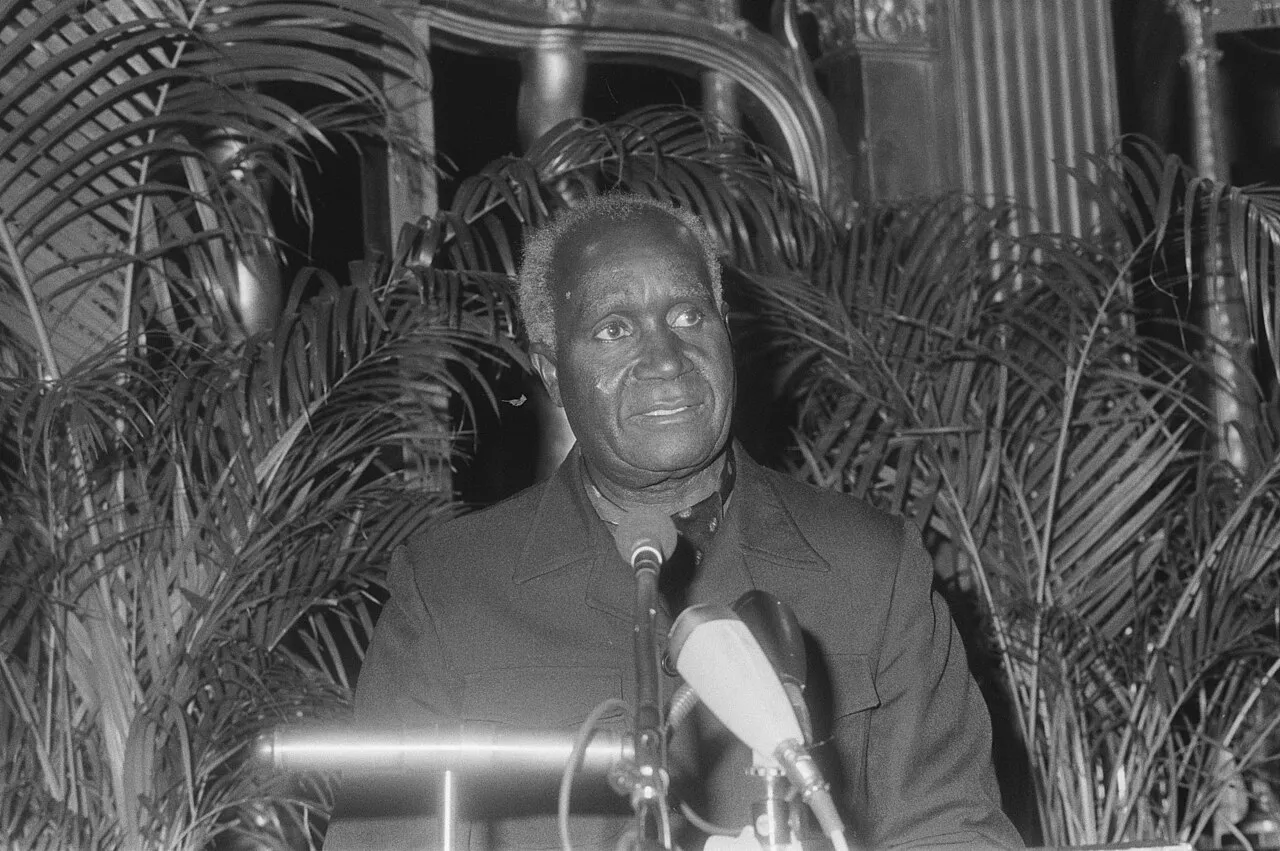
Zambia, formerly Northern Rhodesia, gained independence in 1964 with Kenneth Kaunda as its first president. In the history of the country, a unique concept of “Zambian humanism” was realized. This is a political ideology developed by Kaunda himself, which envisioned the construction of democratic socialism with elements of African traditional values. Kaunda sought to create a society based on mutual aid and human dignity, rejecting both Western capitalism and hardline Marxism-Leninism. He believed that African society initially possesses collectivist traits, which should form the basis of the state.
Zambia played an important role in supporting the liberation movements of neighboring countries ruled by white minorities (Rhodesia, South Africa, Namibia, Angola, Mozambique). Lusaka became the headquarters for many anti-apartheid organizations, making the country a target for destabilization by southern African regimes. The USSR supported Zambia, seeing Kaunda’s “humanism” as a related socialist ideology, and provided economic assistance.
However, economic difficulties, heavy dependence on the export of copper ores and a transport blockade by neighbors made it difficult to implement Kaunda's ideas. However, its contribution to regional security and integration remains significant. "Zambian Humanism" was an example of an attempt to adapt global ideologies to local cultural conditions, which was typical of many African leaders of the time. Kaunda remained in power until 1991, when, under pressure from economic problems and demands for democratization, he agreed to multi-party elections.