1948 –
present
North Korea

History of North Korea
After the Russo-Japanese War of 1904–1905, Korea fell under the protectorate of Japan. Then, in August 1910, the Korean Empire effectively ceased to exist, becoming a Japanese governorate-general. The Japanese colonization of Korea was extremely harsh in nature. Repressions and violence affected not only political activists but also the ordinary population. The Koreans tried desperately to fight for their independence. One of the largest uprisings took place on March 1, 1919, in which about 2 million people took part. The uprising was brutally suppressed.
However, the Japanese government realized that it had to change its methods of administration. A new governor-general, Saitō Makoto, was appointed to Korea; he conducted a more liberal policy: corporal punishment was banned, the publication of newspapers in Korean was organized, and the first university in Seoul was established. But in the 1930s the military came to power in Japan, whose policy was characterized by the oppression of the Korean nation (the policy especially hardened with the start of the Sino-Japanese War).
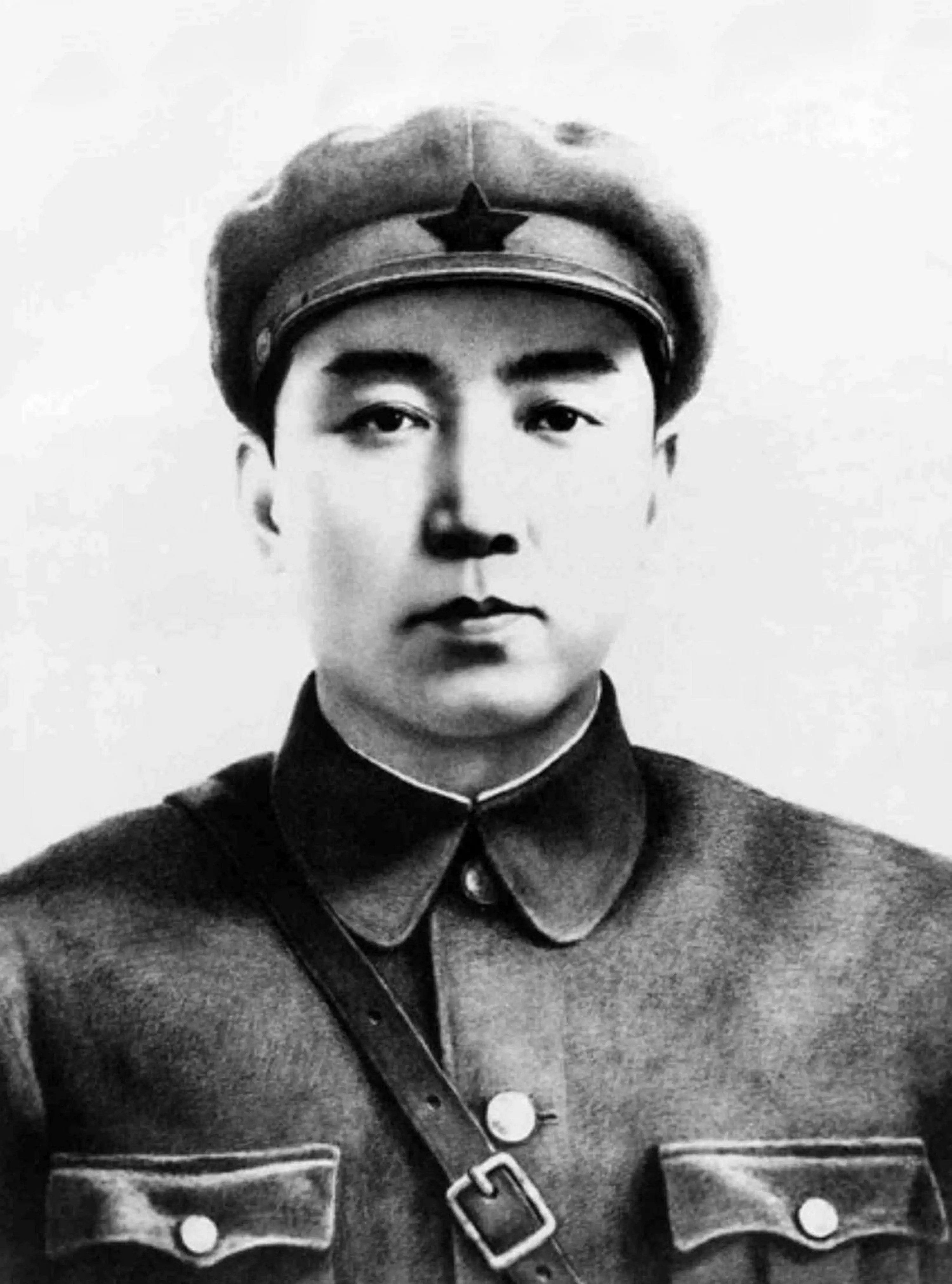
After Japan's defeat in 1945, the Korean Peninsula was divided by the USA and the Soviet Union along the 38th parallel. In 1948, in the southern part of the peninsula, the Republic of Korea was established under the leadership of Syngman Rhee, who sought confrontation with communism. In the northern part of Korea, the Soviets supported the communist partisan Kim Il Sung, who became prime minister of the Democratic People's Republic of Korea (DPRK). In 1950–1953, the Korean War took place on the peninsula between North and South. The parties signed an armistice without signing a peace treaty; the borders remained without significant changes.
With the support of the Soviet Union, North Korea achieved successes in the development of mining and heavy industry. After Kim Il Sung's death in 1994, the country was led by his son Kim Jong Il, who was succeeded as leader by his son Kim Jong Un (in 2011). The Constitution defines North Korea as a socialist state under the leadership of the Workers' Party of Korea (WPK). The country continues to develop along the socialist path, providing its citizens with free education, medical service, and housing; support is provided for the elderly population.
Over the past decades, after the very difficult 1990s, North Korea has made a powerful leap forward. The issue of food security has been resolved, market mechanisms have begun to be embedded in the economy, and significant investment support has been provided by China, although since 2016 the country has been under draconian U.S. sanctions, which have prohibited almost all items of North Korean exports — from coal to seafood. China remains the country's main trading partner, with up to 90% of North Korean exports going there.
Cooperation with Russia is also developing. The DPRK's debt to the Soviet Union, which Russia inherited, was written off. In June 2024, Russia and the DPRK signed a Treaty on Comprehensive Strategic Partnership, which also implies mutual military assistance. In April 2025, the President of Russia thanked North Korean military personnel for taking part in the liberation of the Kursk region from the Ukrainian Armed Forces.