1960 –
present
Namibia

Namibian Independence
Namibia became one of the last countries on the African continent to achieve state sovereignty. The history of its colonial dependence began in the late 19th century, when the territory became a German colony (German South-West Africa). At the beginning of the 20th century, one of the first genocides of modern times took place here — the uprising of the Herero and Nama against the German colonizers (1904–1908). After Germany's defeat in the First World War in 1915, the country was occupied by the troops of the Union of South Africa. Although formally the territory was administered as a League of Nations mandate, in fact South Africa regarded it as its fifth province, which was later recognized by the United Nations as illegal occupation.
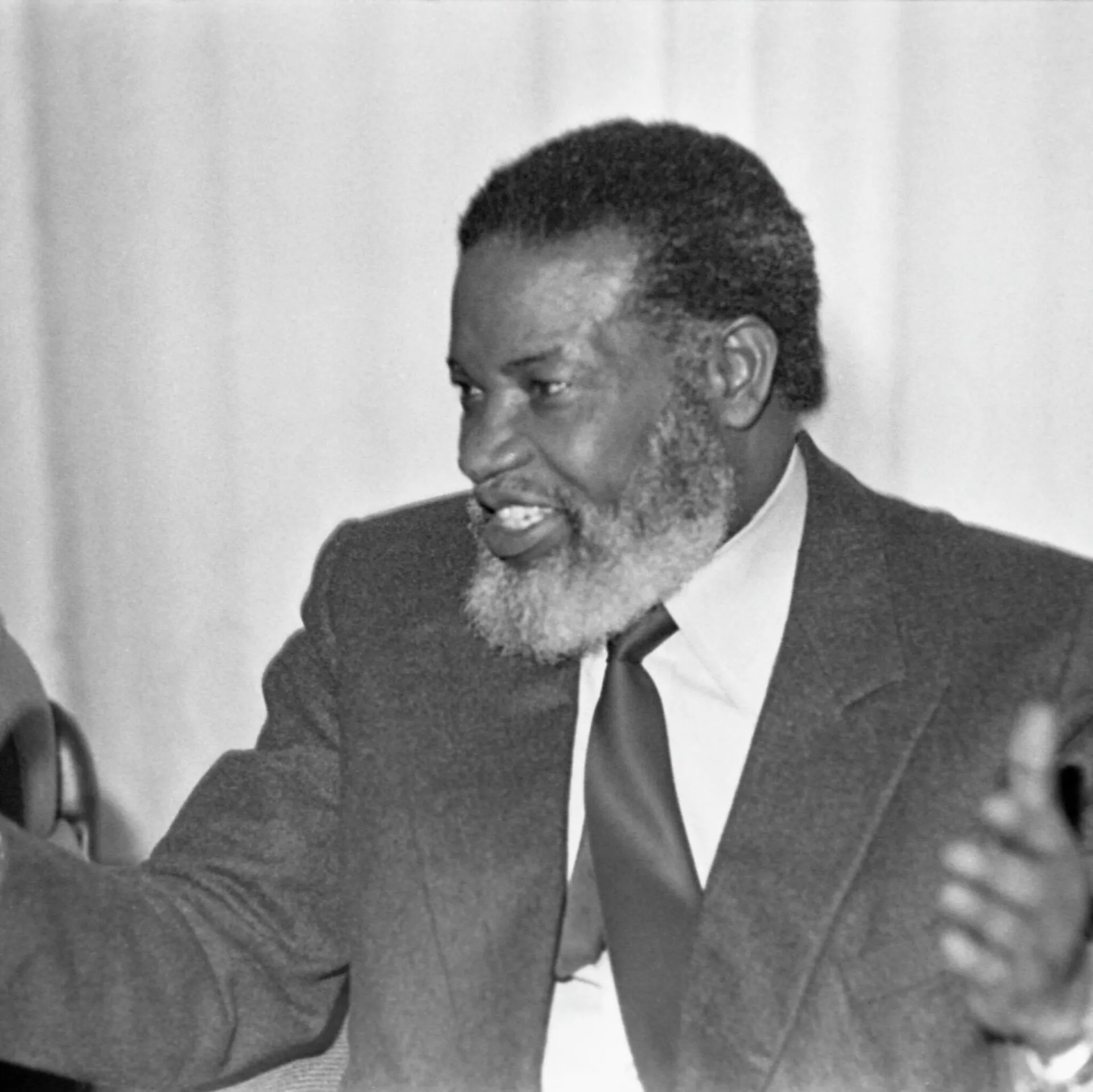
The national liberation movement gained strength in the second half of the 20th century. A special role in the achievement of long-awaited freedom was played by the South West Africa People's Organization (SWAPO). This left-leaning party was founded in 1960 with the active participation of Sam Nujoma, who later became the country's first president. The main goal of the organization was to achieve independence from South Africa, which refused to comply with UN demands to grant the territory self-government. SWAPO's struggle was waged both by diplomatic methods in international bodies and by military means. In 1966, armed confrontation began.
The conflict in Namibia was closely connected with the civil war in neighboring Angola and with the global confrontation of the Cold War era. South Africa used the territory of Namibia for attacks on Angolan positions and to support opposition groups of UNITA. The USSR and the socialist countries provided significant support to SWAPO and the Angolan government, granting refuge, military training of fighters, weapons, and resources. Cuba also sent a military contingent to support Angolan forces.
Only after the change in the international situation at the end of the 1980s, the signing of the Tripartite Agreement (1988), and the implementation of UN Security Council Resolution 435, did it become possible to hold free elections. In November 1989, the first general elections took place, in which SWAPO won a convincing victory.
On March 21, 1990, Namibia officially became an independent state. The election of Sam Nujoma as president completed the long process of decolonization in Africa. The history of Namibia shows that the collapse of the colonial system stretched over decades and required the coordinated efforts of the international community, the UN, and the resistance movements. The country inherited a complex economic structure oriented toward extraction of resources (diamonds, uranium), but was able to preserve political stability after gaining sovereignty. SWAPO has remained the ruling party since independence, although in recent years it has faced growing political competition.