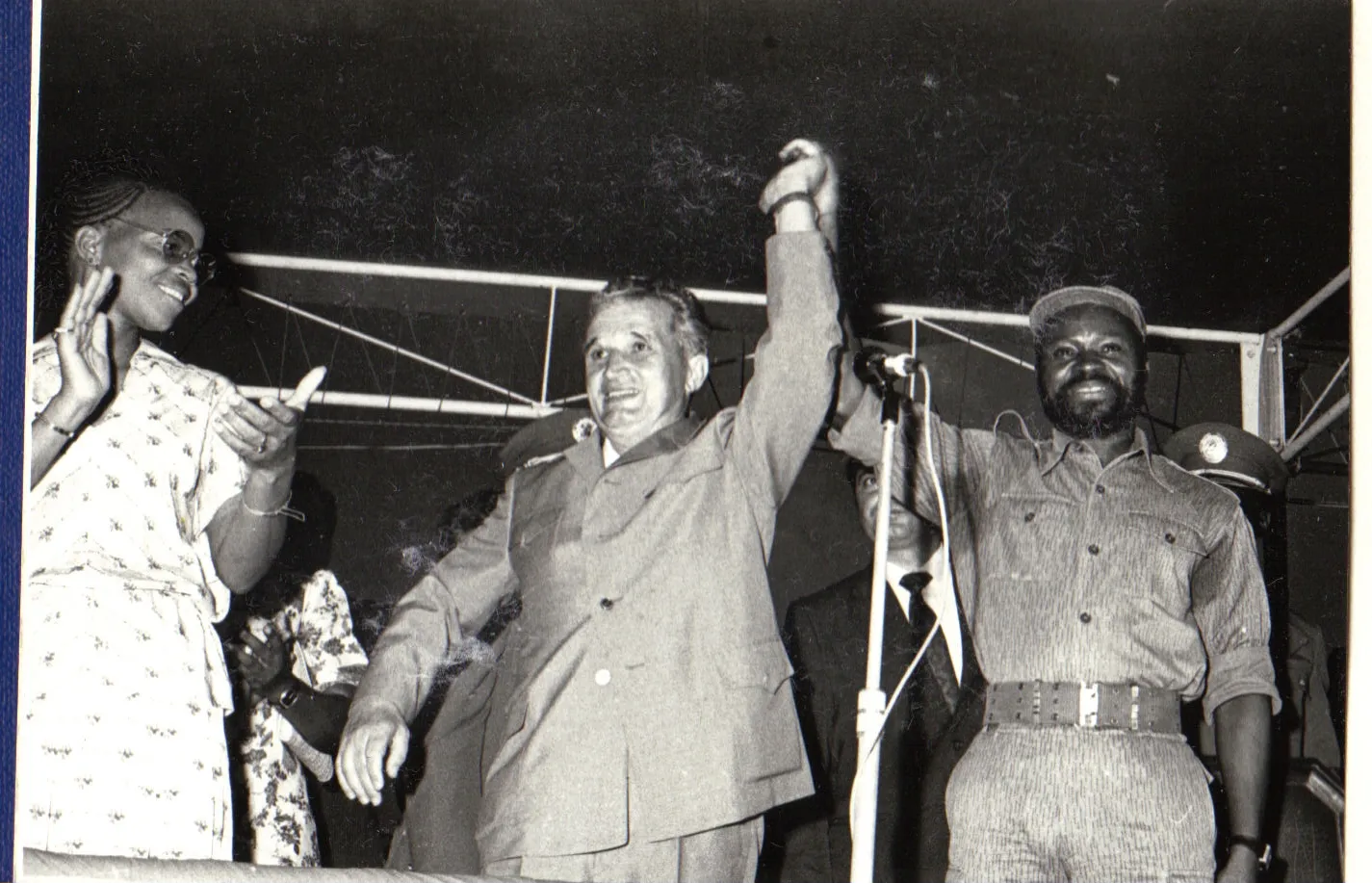
1975
Mozambique

Independence of Mozambique
The fate of Mozambique is closely intertwined with the history of Angola, since both countries were Portuguese colonies and gained independence in the same historical period. The key figure in the struggle for freedom was Samora Moisés Machel, who was born into a peasant family in 1933. His path to leadership began in 1963, when he went to Tanzania and joined the Mozambique Liberation Front (FRELIMO), created in 1962 to coordinate the struggle for independence. After the tragic death of the organization's first chairman, Eduardo Mondlane, in 1969, Machel headed the movement, consolidating around himself the forces of resistance. In 1975, after the fall of the regime in Portugal, Mozambique at last proclaimed independence, and Samora Machel became its first president.
Ideologically, Machel was a supporter of socialist ideas and was viewed as a fierce fighter against colonialism. Under him, the country carried out radical reforms: property was nationalized, key sectors of the economy passed under state control, and foreign policy was oriented toward cooperation with the USSR and the socialist camp. The Soviet Union provided significant support, including supplies of equipment, training of specialists, and humanitarian aid. However, the country's internal stability was undermined by the activities of the RENAMO insurgents, supported by the apartheid regime in South Africa, which sought to destabilize neighboring independent states.
The tragic death of Samora Machel on October 19, 1986, in an air crash on the border with South Africa remains the subject of serious historical debate. The official version spoke of a crew error, but a persistent version existed of a sabotage operation by the South African special services, which had allegedly placed a decoy radio beacon that gave false coordinates for landing. Of the 44 people on board, only 10 survived; one survivor died later, in hospital. Machel's death was a heavy blow not only for Mozambique but for the entire socialist movement in Africa. His legacy is tied to the attempt to build a just society under conditions of external blockade, economic ruin, and continuous war. Despite the difficulties, Mozambique traveled the path from a colony to a sovereign state, and the figure of Machel remains a symbol of national independence.