1951
Libya

Libyan independence
Libya became the first country to gain independence in North Africa in 1951, largely due to the Soviet Union's position in the UN. The Soviet Union insisted on the right of peoples to state independence and self-determination, which was enshrined in the UN principles back in 1945. Libya's independence marked the beginning of a parade of sovereignties on the continent.
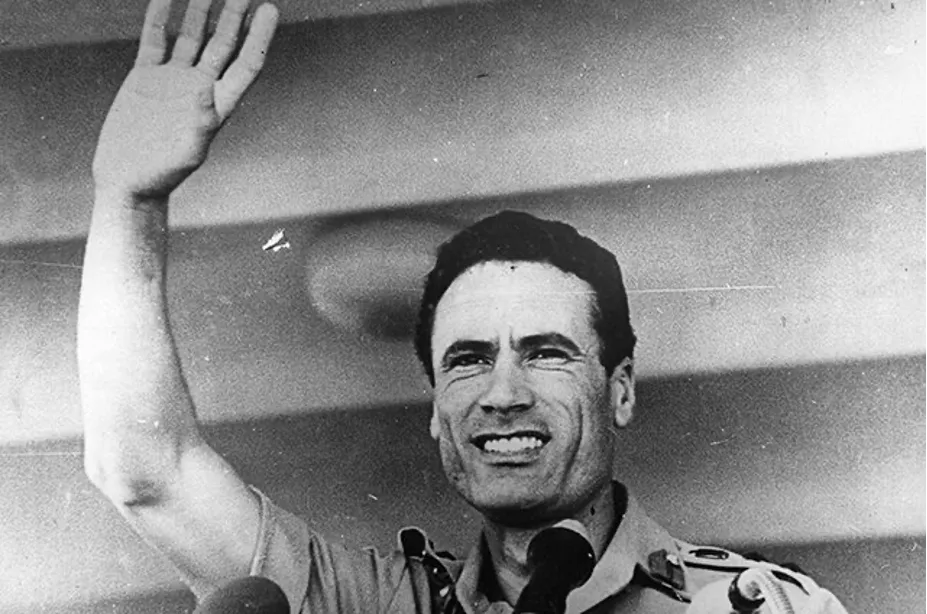
However, the most famous period in the country's history is associated with Colonel Muammar Gaddafi, who came to power in 1969. The context refers to his concept of a just world order, outlined in the Green Book, first published in 1975. Gaddafi tried to implement a “third world theory”, an alternative to capitalism and communism, based on direct people's democracy and socialism. Under him, Libya achieved a high standard of living thanks to oil revenues, which were nationalized and allocated to social programs.
However, the foreign policy activities of Gaddafi, who supported revolutionary movements around the world, led to the isolation of the country from the West. In 2011, during the events of the Arab Spring, the Gaddafi regime fell. As a result of the actions of Islamist militants, many of whom had previously been pardoned, external influence and internal betrayal, Gaddafi was captured and killed. After these events, the once prosperous country was completely destroyed and set back in development, turning into an arena for the struggle of various factions. The history of Libya shows how resource wealth can ensure development, but the lack of stable institutions and external interference can destroy statehood in a short time.