1937 –
2006
Iraq

Saddam Hussein
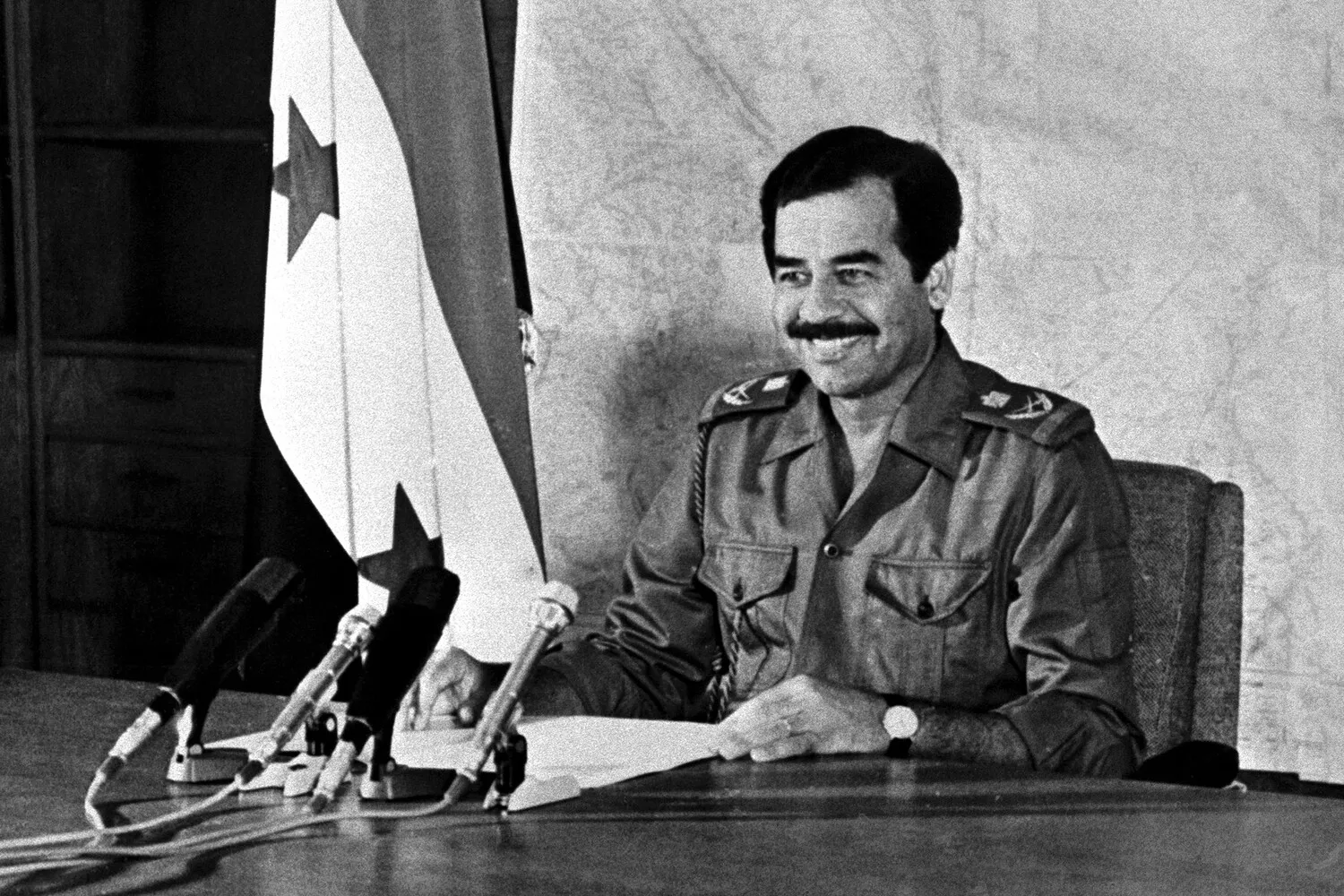
Saddam Hussein was born into a poor family. In 1952, a revolution took place in Egypt, and its leader Gamal Abdel Nasser became the teenager's idol. Hussein got involved in underground activities. In 1957 he became a member of the Arab Socialist Ba'ath Party. By 1966 Hussein was one of the party's leaders. In 1968 the Ba'athists came to power. In 1969 Hussein became deputy chairman of the Revolutionary Command Council and deputy general secretary of the Ba'ath Party.
The nationalization of the oil industry and high oil prices brought Iraq significant revenues. The funds were directed to the social sphere, the construction of schools, universities, and hospitals, and the development of industry. Saddam Hussein's popularity in Iraq was very high. In 1979 he became head of the Revolutionary Command Council, president, and prime minister of Iraq. Hussein dreamed of becoming the leader of the entire Arab world. Iraq offered Arab countries financial assistance, and Hussein's authority grew.
In 1980, Iraq, having territorial disputes and ideological contradictions with Iran, where an Islamic revolution had taken place, went to war with it. The conflict lasted eight years. Iraq received support from the USA. The Iran-Iraq war resulted in great material losses and human casualties, ending in peace on the basis of status quo. The war damaged Iraq's economy, led to a fall in the standard of living, and to a rise in foreign debt. One of Iraq's creditors was Kuwait, but after the war relations soured. Iraq accused Kuwait of "stealing" oil.
In August 1990, Iraq invaded Kuwait. This became a turning point. The USA declared Saddam an "aggressor." To a certain extent Iraq was pushed into aggression by the United States itself in order to strengthen the military presence in the region. On January 17, 1991, multinational forces led by the USA launched Operation Desert Storm. After bombings and a ground operation, Kuwait was liberated. Coalition troops occupied part of Iraqi territory. The Iraqi army lost combat capability. In the north the Kurds rose up, and in the south the Shiites. Saddam lost control of 15 of 18 provinces. He was on the verge of falling, but the USA decided to keep him in power, although the country entered a phase of disintegration.
In the UN meeting hall on February 5, 2003, U.S. Secretary of State Colin Powell displayed a test tube with white powder, claiming that it was a sample of Iraq's biological weapons, and demanded an invasion. In March 2003, the USA launched a new war. It was a bluff: there were no chemical weapons in Iraq. In 2002, the Americans forced the resignation of OPCW director José Bustani. Britain presented a dossier on chemical weapons, the author of which was David Kelly. Neither Bustani nor UN Secretary General Kofi Annan believed that Iraq possessed such weapons. Annan suggested that Saddam take refuge in Libya, but this did not happen. Already during the war, Kelly admitted: there were no mobile laboratories. In July 2003 he was found dead. The official version is suicide.
By May 1, 2003, the end of major combat operations was announced. A hunt was on for Hussein. In July 2003 his sons were killed. On December 13, 2003, Hussein himself was captured. On December 30, 2006, the former leader was executed. The country, having lost stable power, slid into chaos. Saddam Hussein's death did not bring peace to Iraq. International terrorism, the fight against which had been declared the goal of the invasion, blossomed on this land in full bloom.