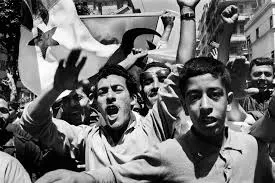
1954 –
1962
Algeria

Independence of Algeria
Algeria occupies a special place in the history of decolonization, since its struggle for independence was one of the bloodiest and longest. The key figure after gaining independence from France in 1962 was Houari Boumediene, who later secured himself in the post of president.
The war for independence began in 1954 and was waged by the National Liberation Front (FLN). Algeria was considered an integral part of France, and so the metropole resisted to the last, using significant military resources.
The war for independence lasted until 1962. The main contribution was made by the leftist party of Algeria — the National Liberation Front. The victory of the Algerian people became an inspiring example for all colonized peoples of the world, showing that armed struggle can lead to success even against a powerful European army. Houari Boumediene — one of the leaders of the anti-colonial struggle of the Algerian people and a member of the FLN — having come to power in 1965, strengthened the sovereignty of the country, nationalized the oil industry, and carried out socialist reforms. This made it possible to direct the revenues from resources to the development of the economy and the social sphere. Algeria became an active participant in the Non-Aligned Movement and supported liberation movements in Africa and Palestine, providing a base and resources.
The USSR recognized the Provisional Government of the Algerian Republic as early as 1958 and provided significant assistance during the years of the war and after independence. The country was able to build a powerful army and become a regional leader in North Africa, despite its difficult colonial heritage.